
Date of travel: 31st May, 2026
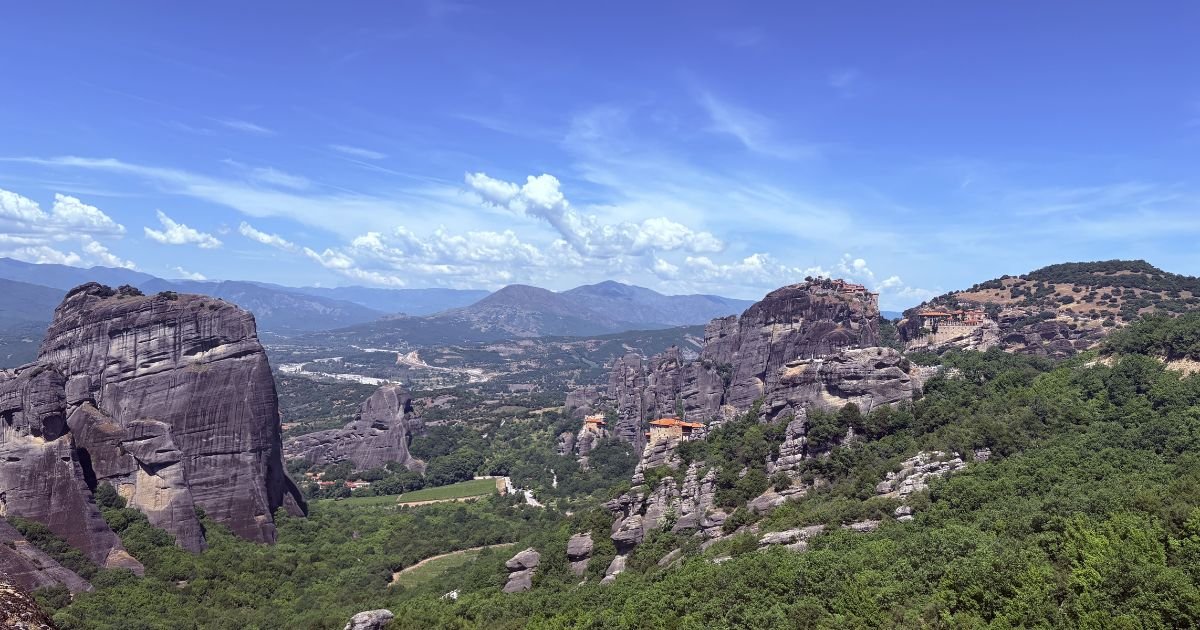
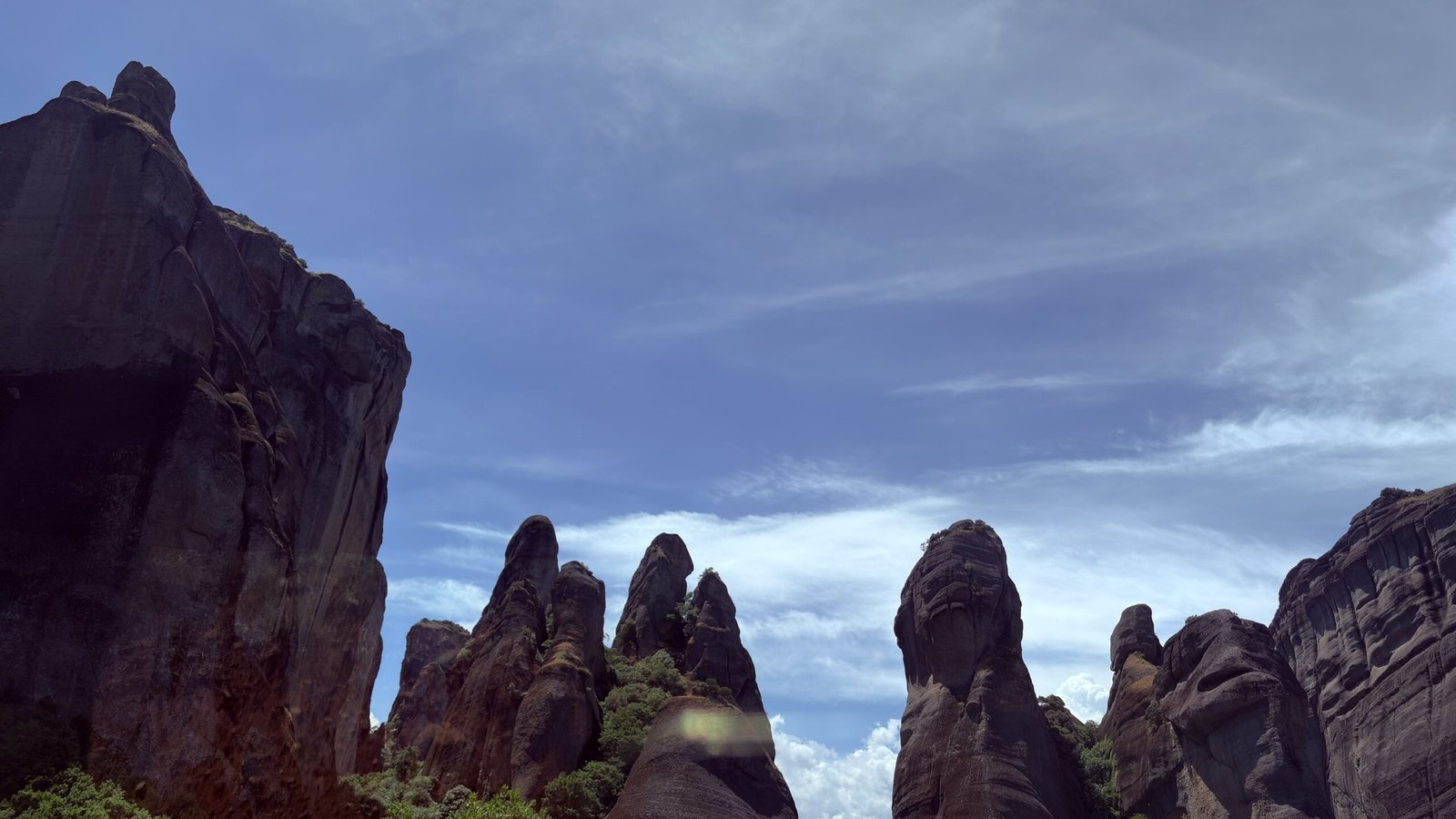
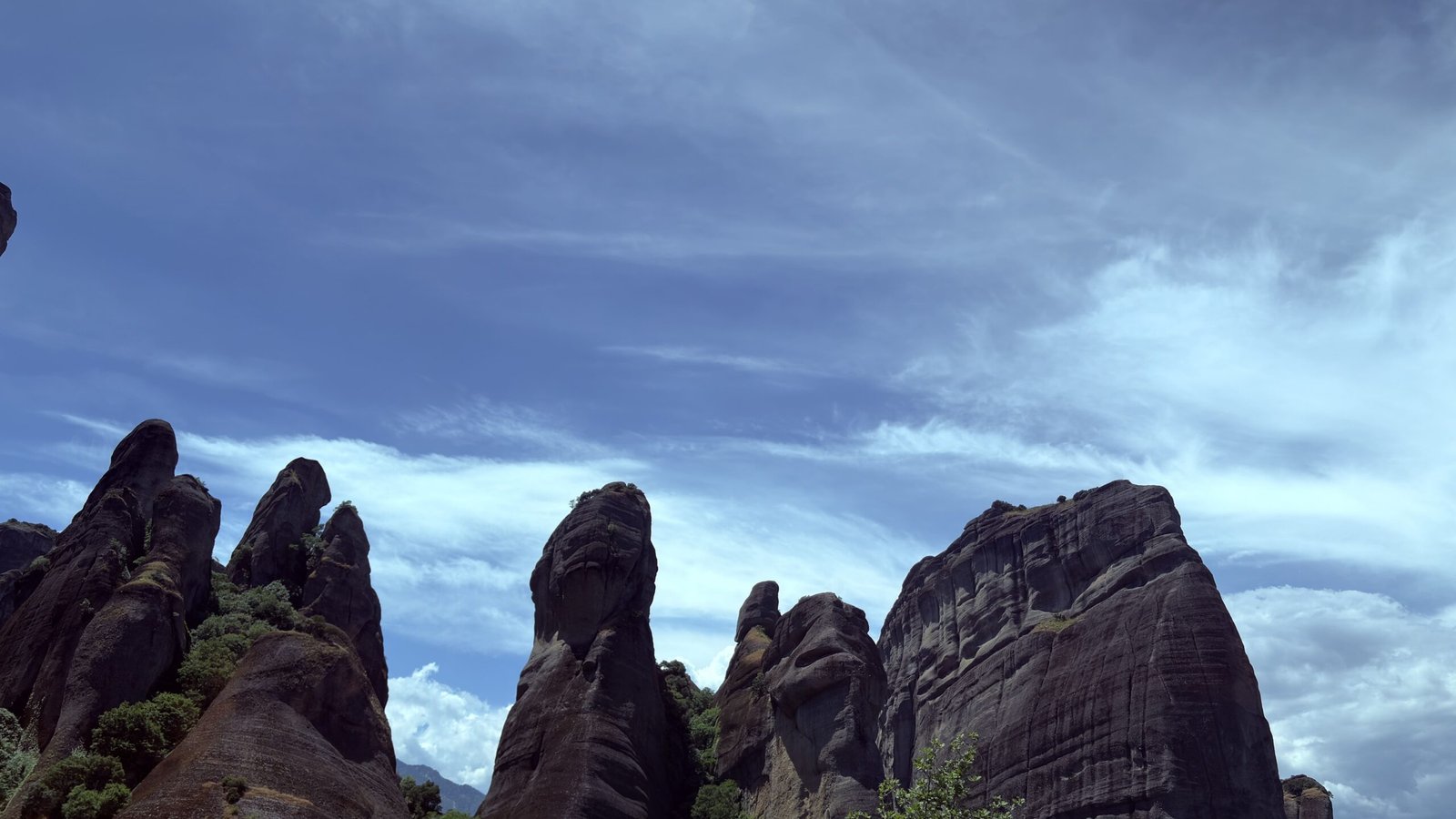
Not just pretty rocks with churches. Meteora is a landscape that forced humans to build the impossible, and the result still feels unreal when you stand under it.
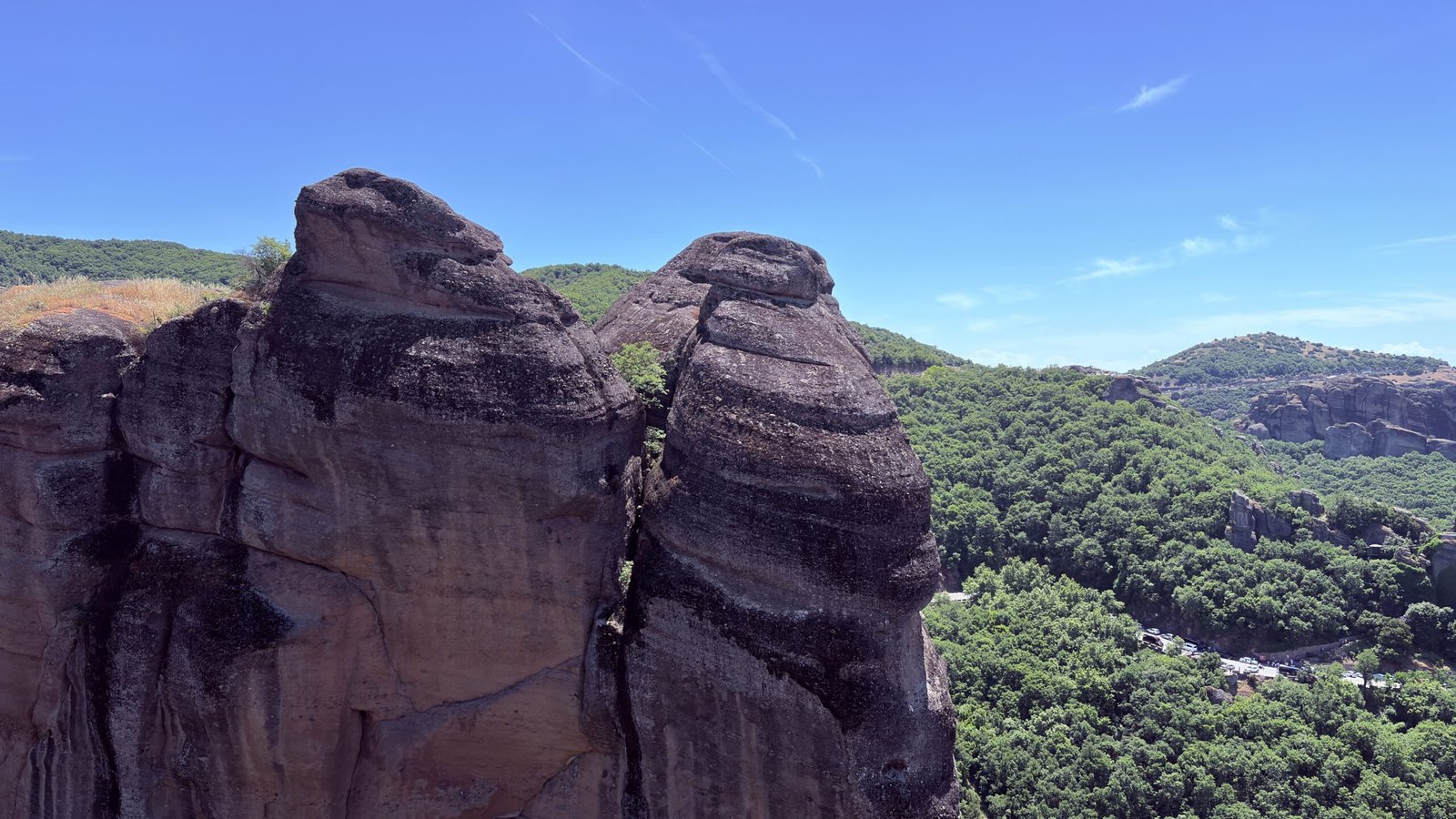
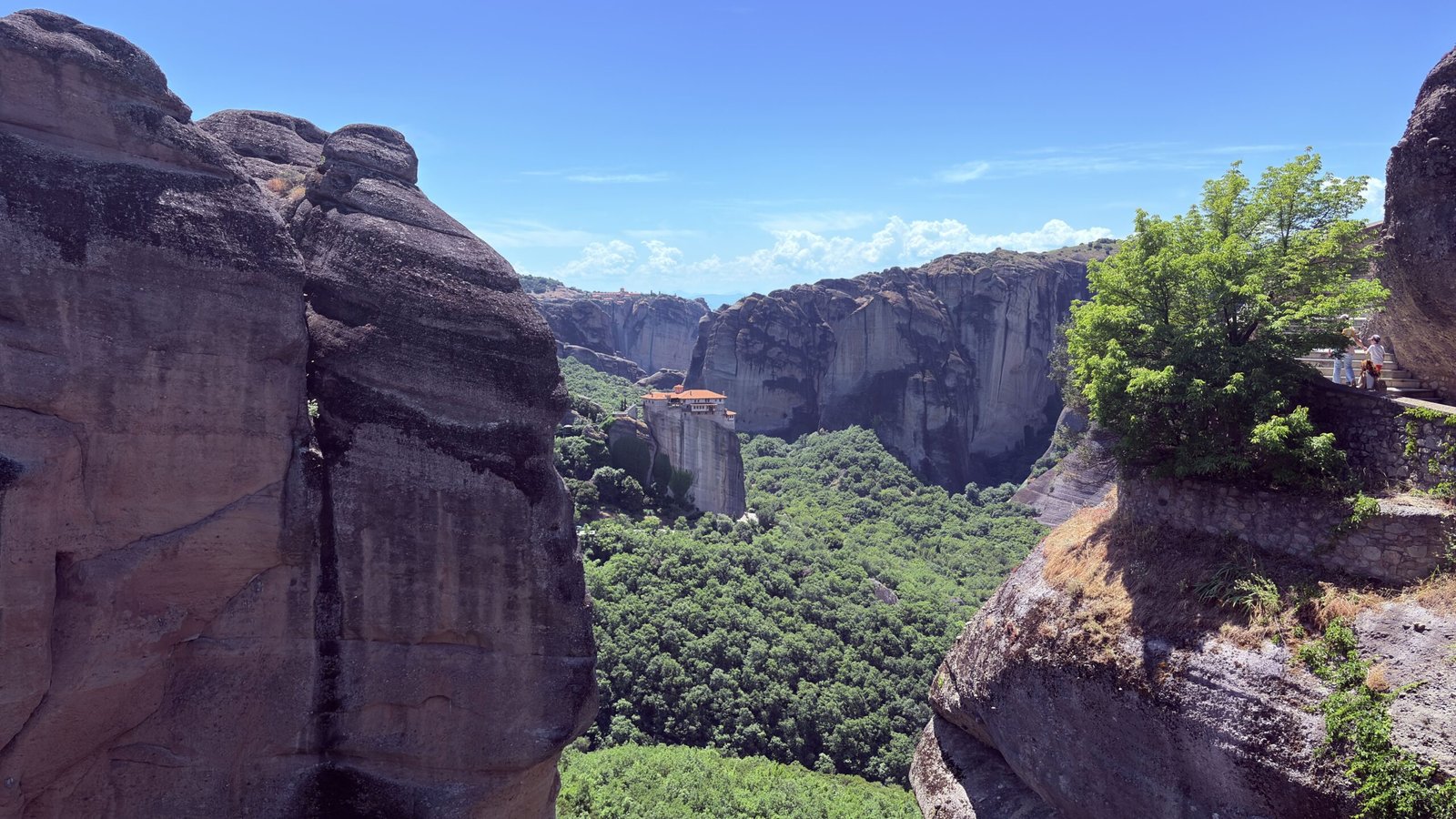
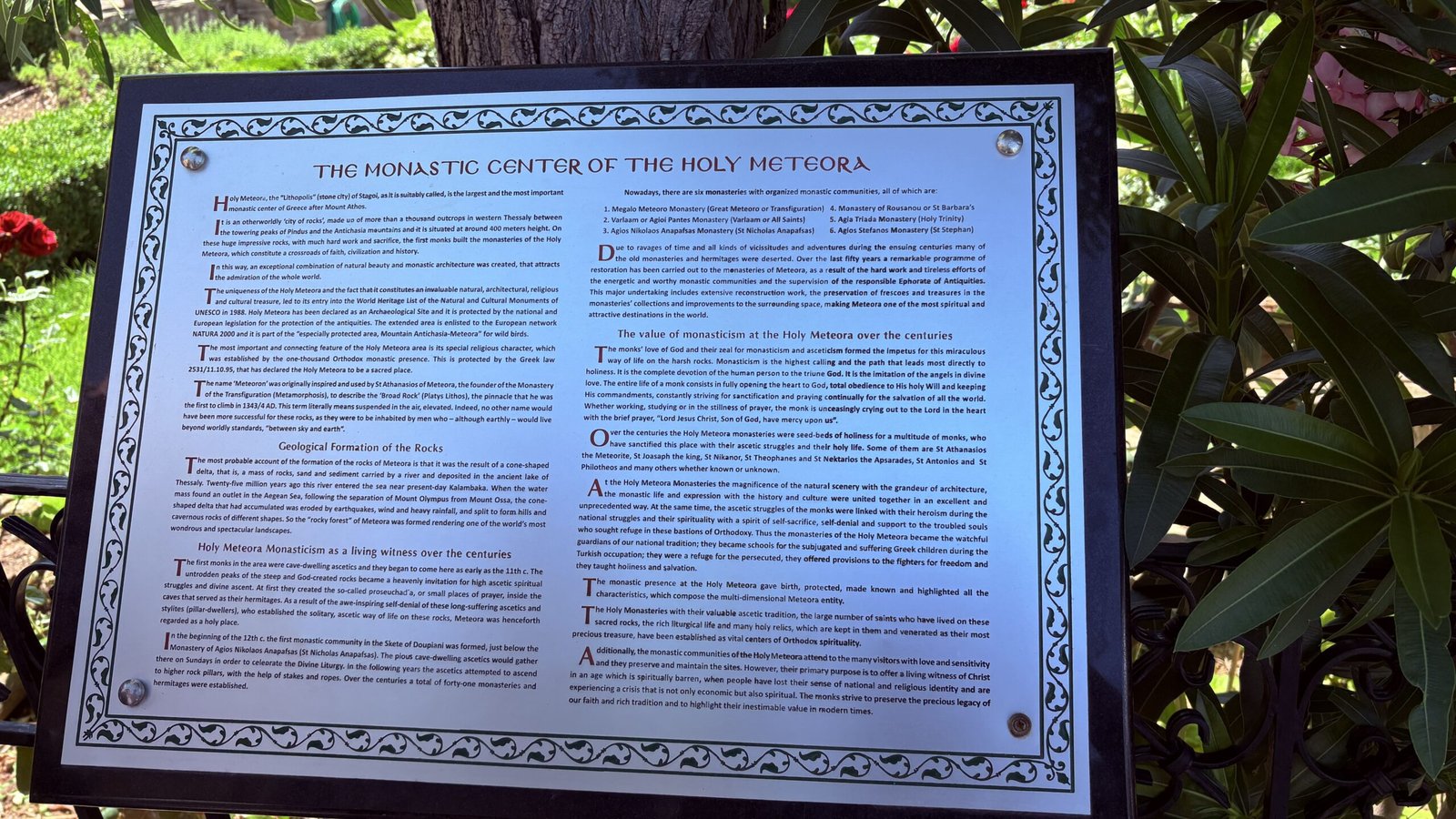
60 million years of rivers and tectonic shove left these sandstone giants stranded 400m in the sky. In the 14th century, monks saw sanctuary where everyone else saw vertical death. No cranes, no roads – just faith, ropes, nets, and a willingness to haul timber and stone up cliffs by hand.
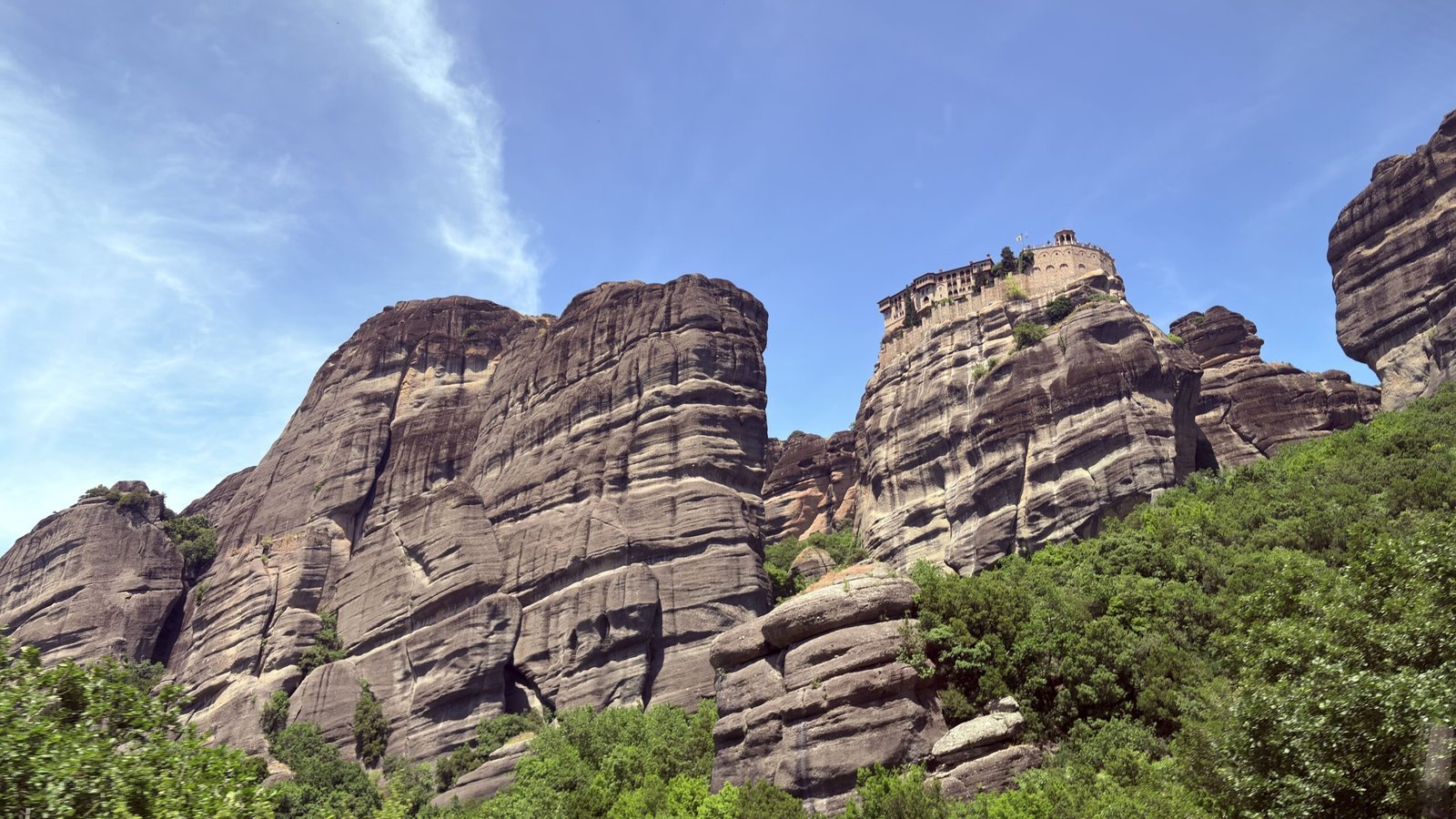
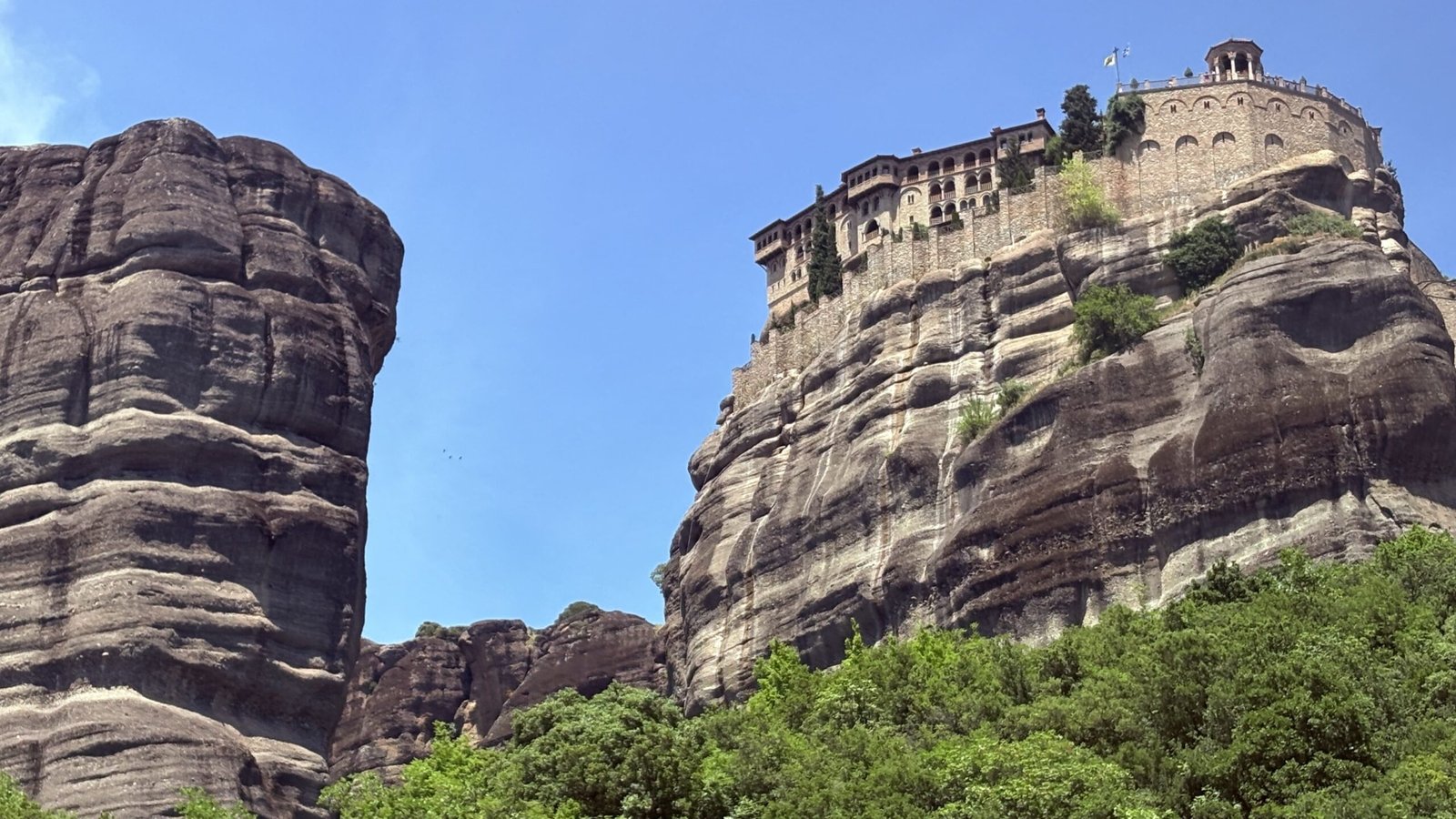
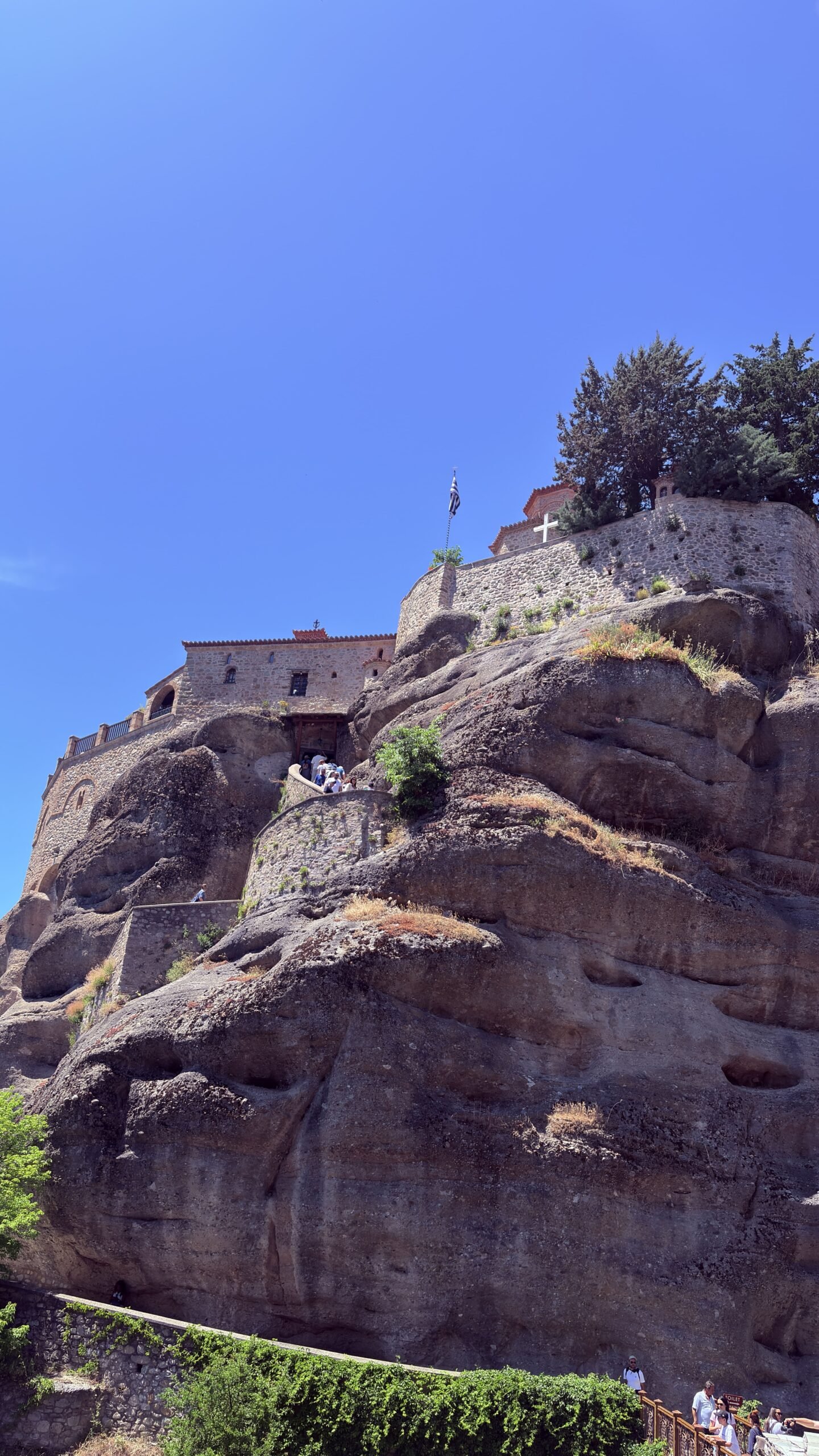
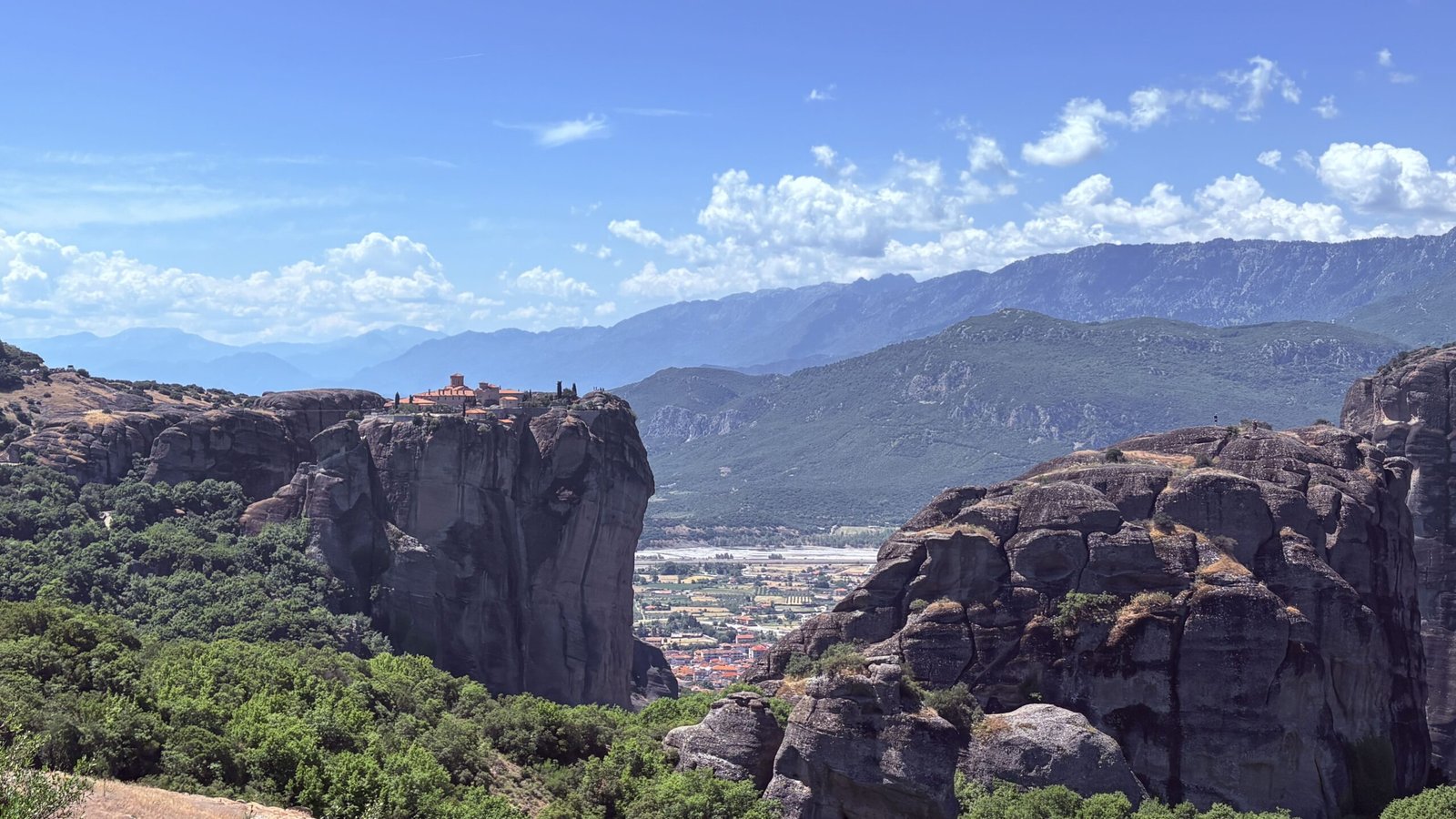
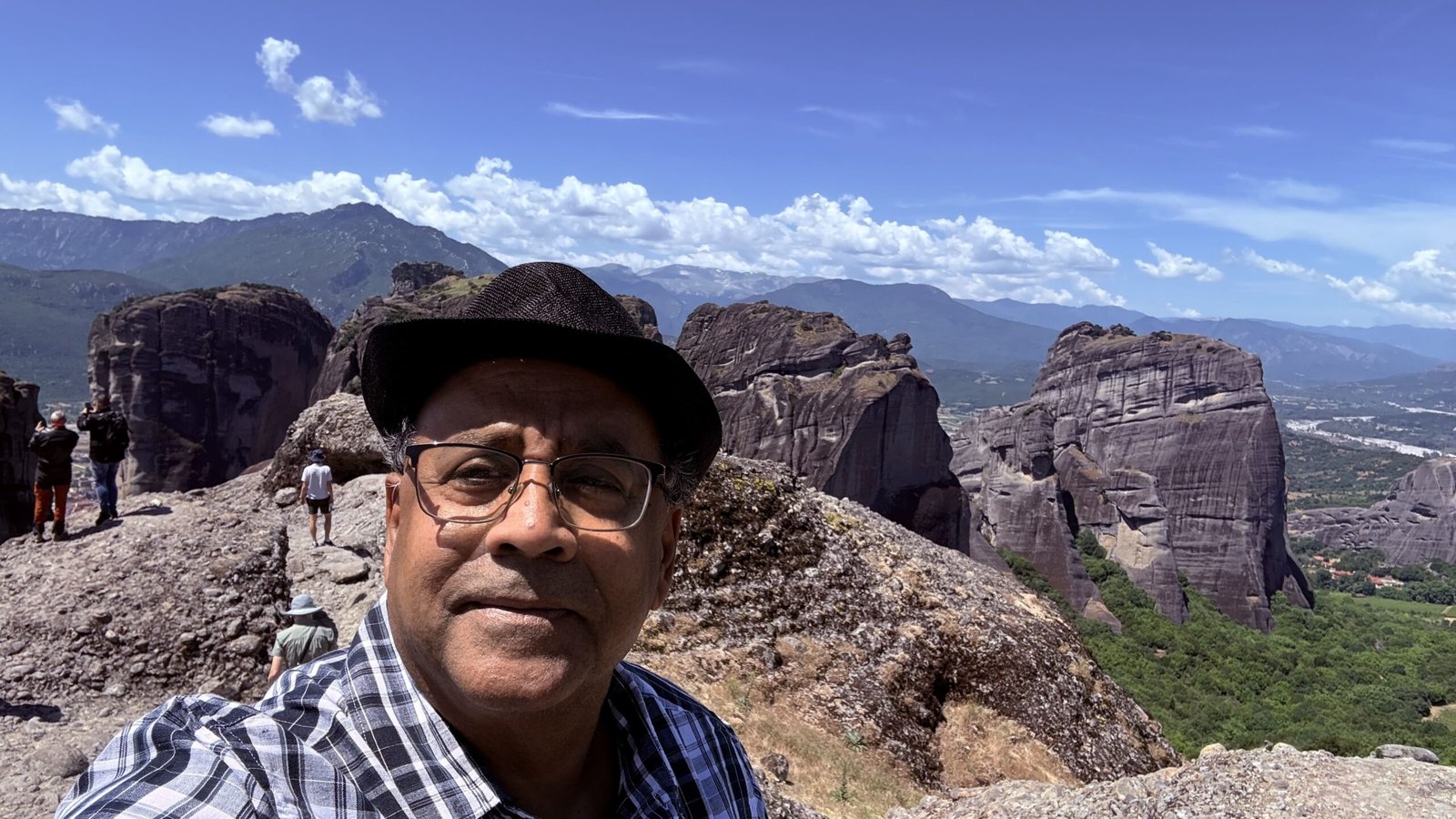
They built 24 monasteries on top of pillars that look like they should collapse. Six remain active today. You climb 200+ steps carved into rock, cross swaying bridges, and step into chapels where 500-year-old frescoes glow under candlelight. Below you, the Thessalian plain stretches to the horizon.
Meteora is about defiance. Of gravity, of Ottoman raids, of logic itself. Stand in Kastraki village at dusk and the pillars turn orange, the monasteries vanish into shadow, and for a second you forget which century you’re in.
That’s Meteora – not a postcard, but proof of extreme human capabilities.
Location:
Meteora is situated in Thessaly, North- Central Greece, in between Kalabaka town and Kastraki village. By road distance is approximately 2 hours from Thessaloniki and 4 hours from Athens.
What it is actually:
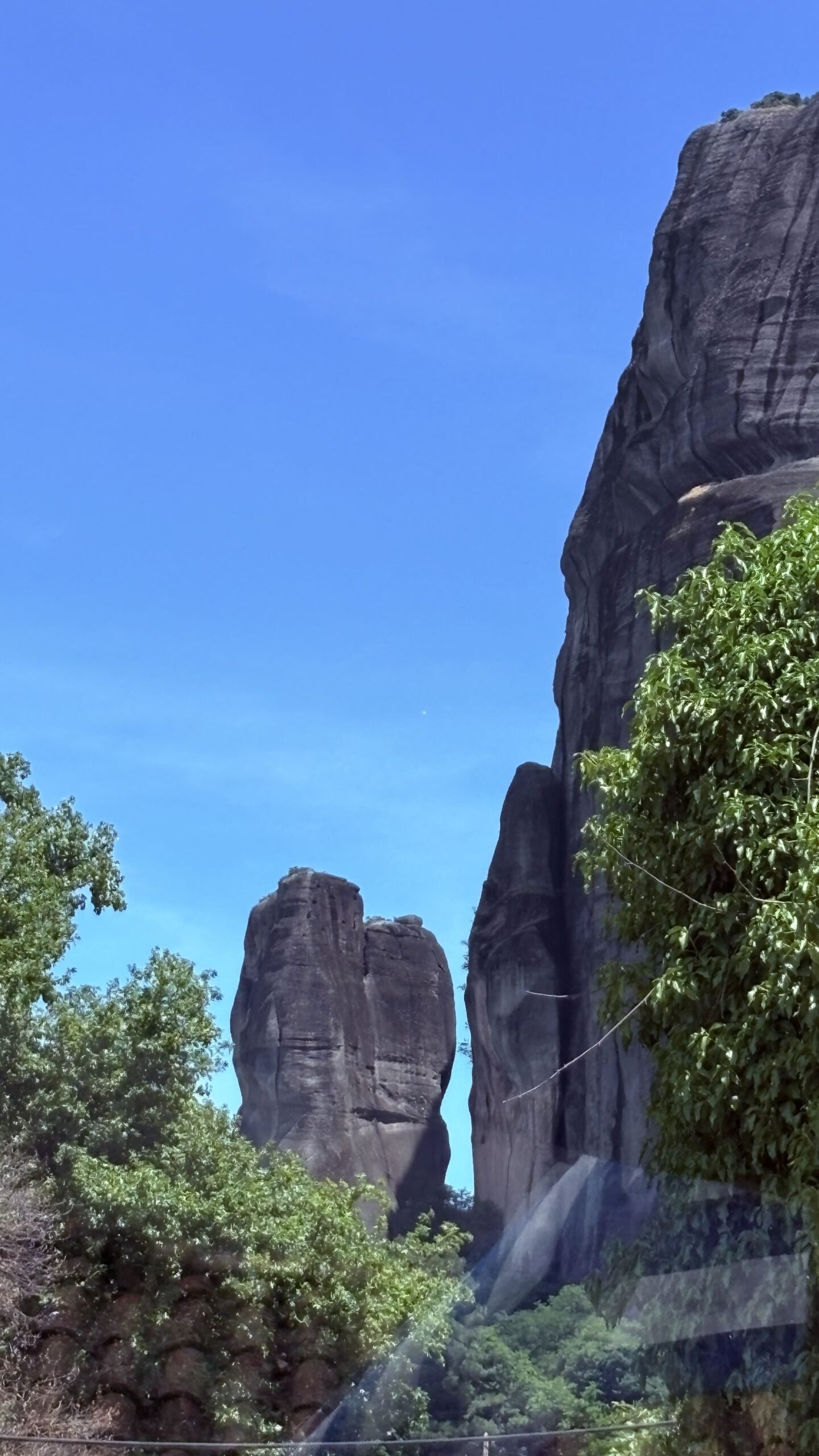
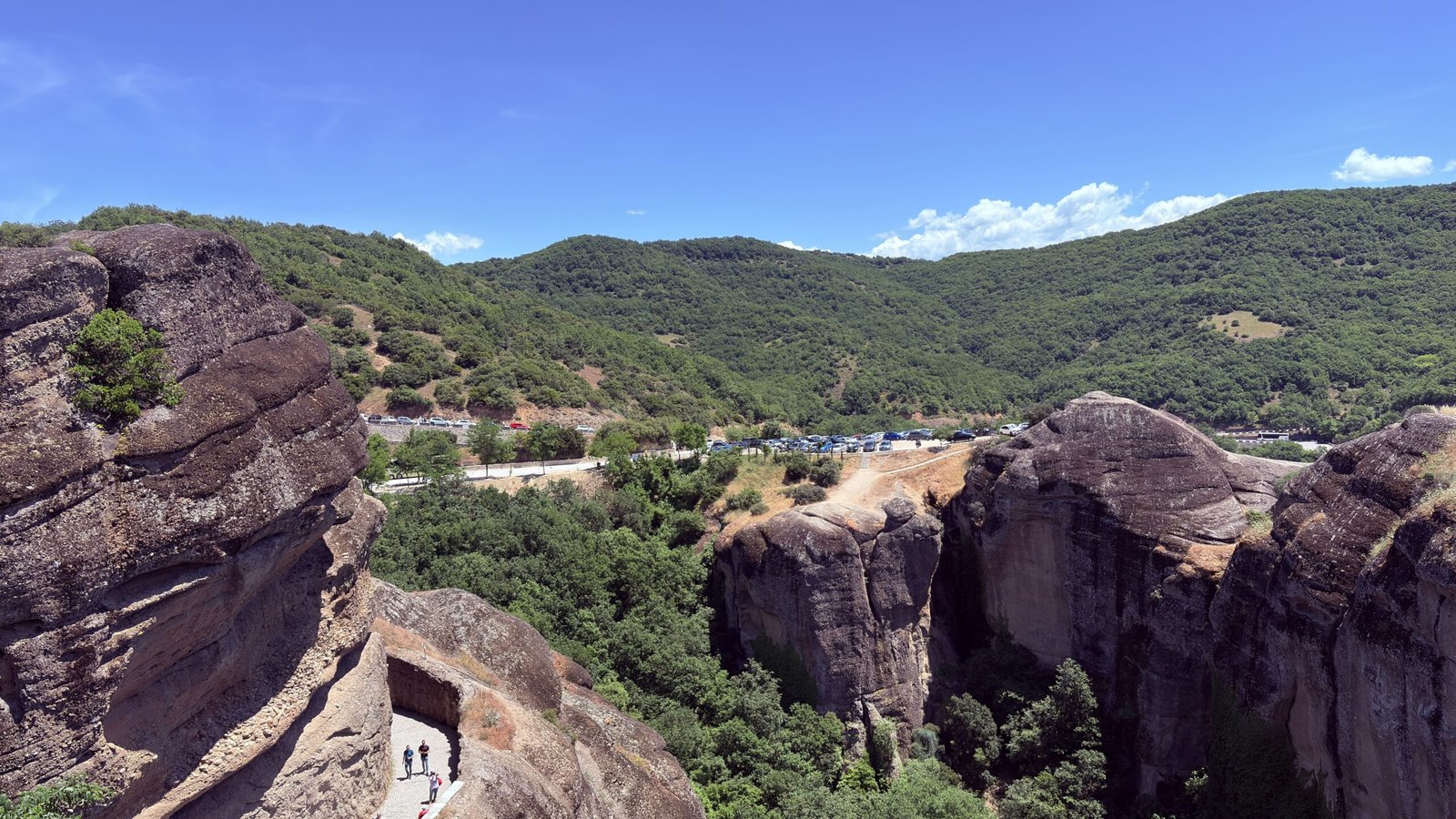
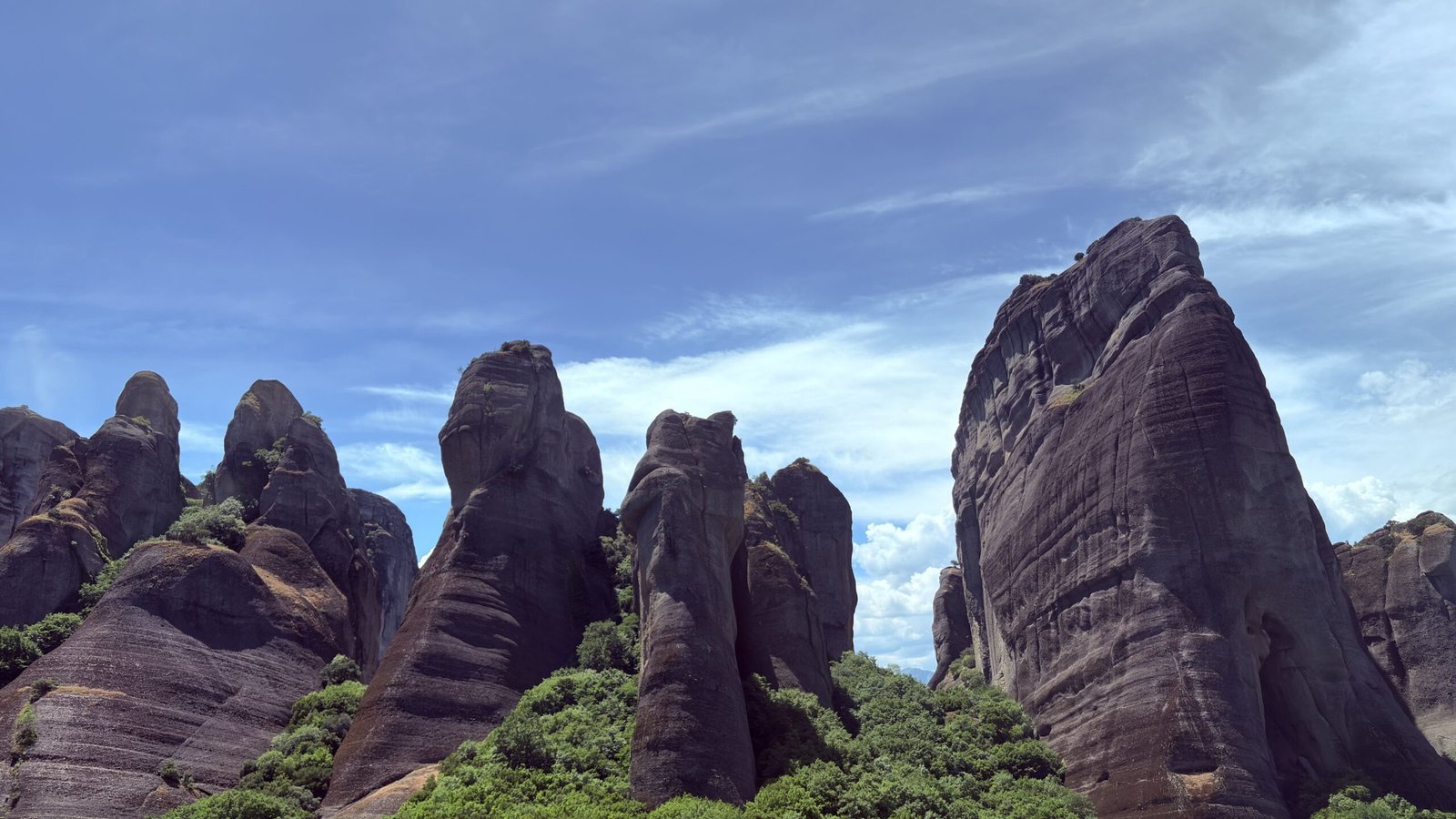
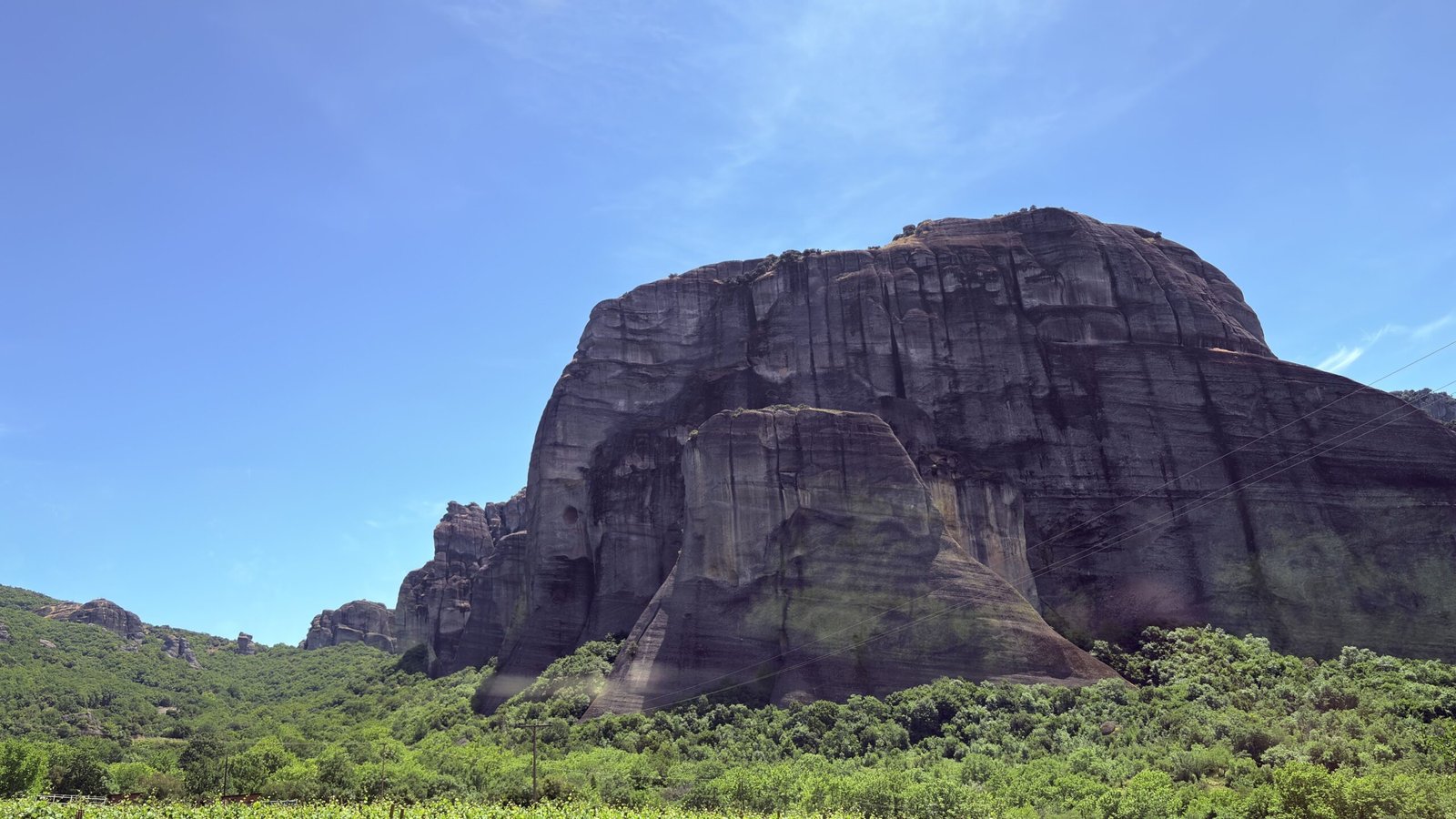
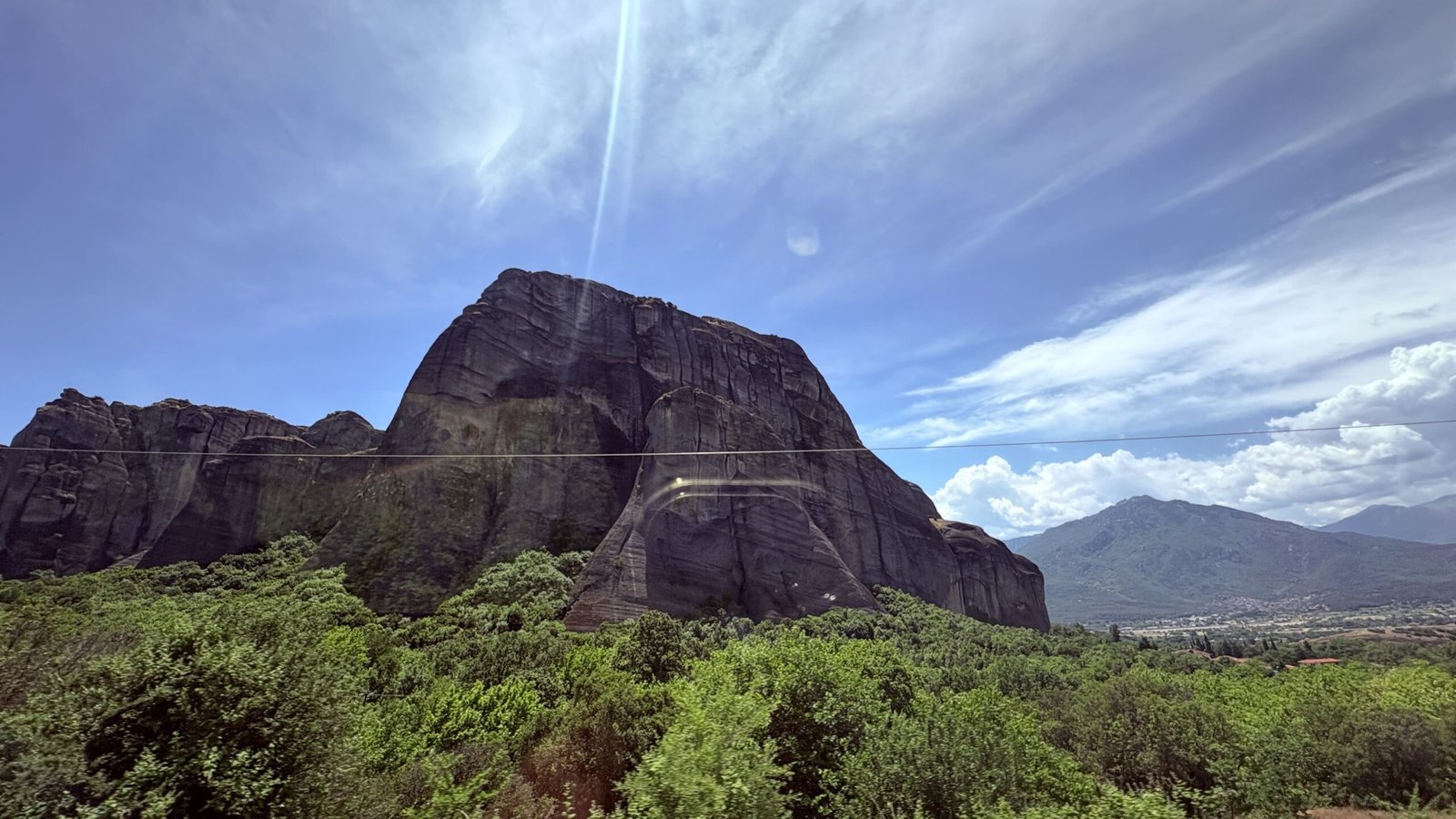
A rock forest of giant sandstone pillars up to 400 m tall, topped with Eastern Orthodox monasteries that look impossible. Meteora complex is UNESCO World Heritage since 1988.
Short History and little information about Geology:
About 60 million years ago this was a river delta. Uplift + erosion carved the mud and sandstone into isolated pillars with no horizontal layers – so they stayed upright instead of collapsing.
Hermits started living in the caves around the 11th century. In the 14th–16th centuries, monks built 24 monasteries on the peaks to escape Ottoman rule and preserve Orthodoxy. Most were abandoned by the 17th century.
Today only 6 monasteries are still functioning and open to visitors:
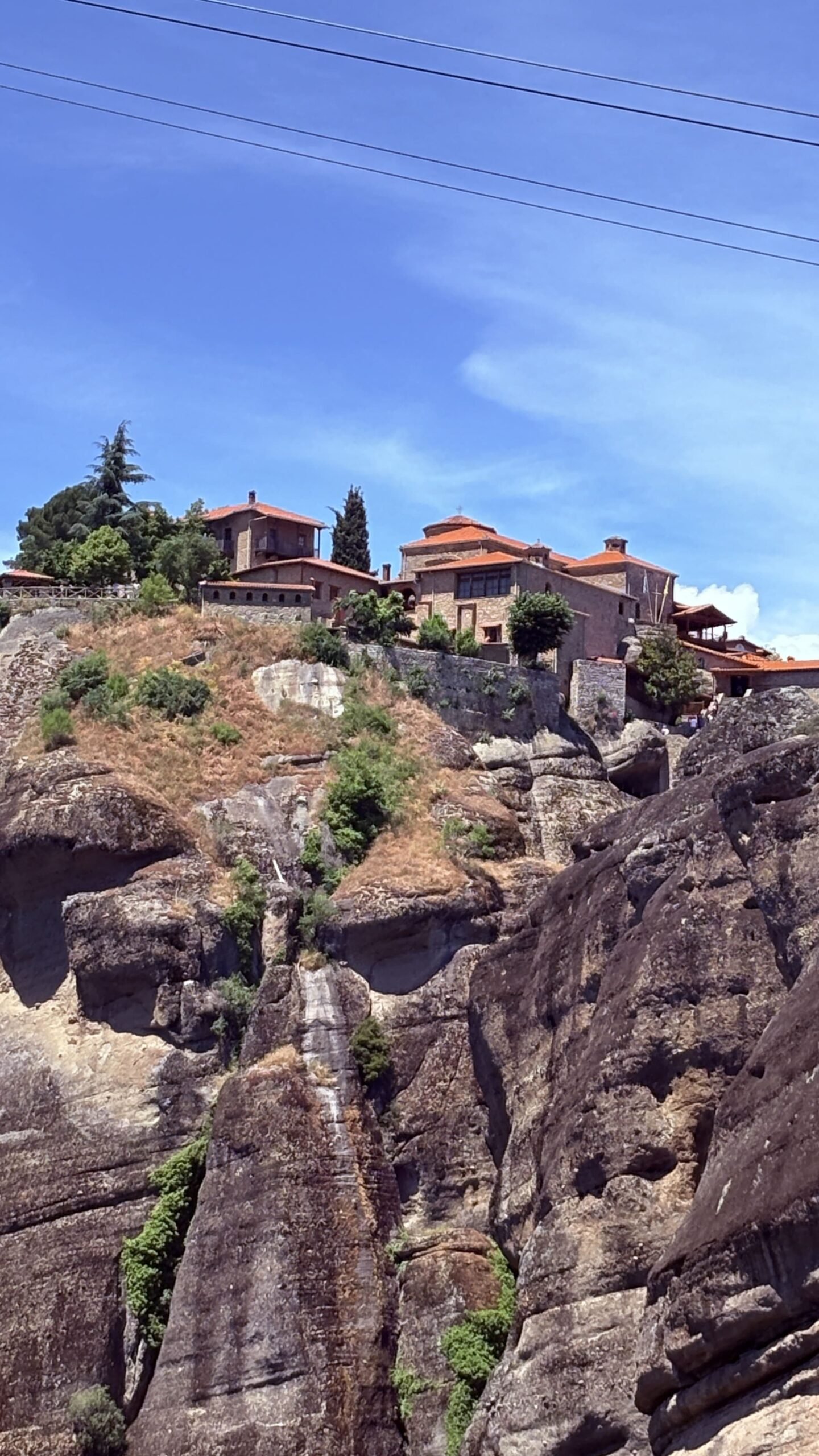
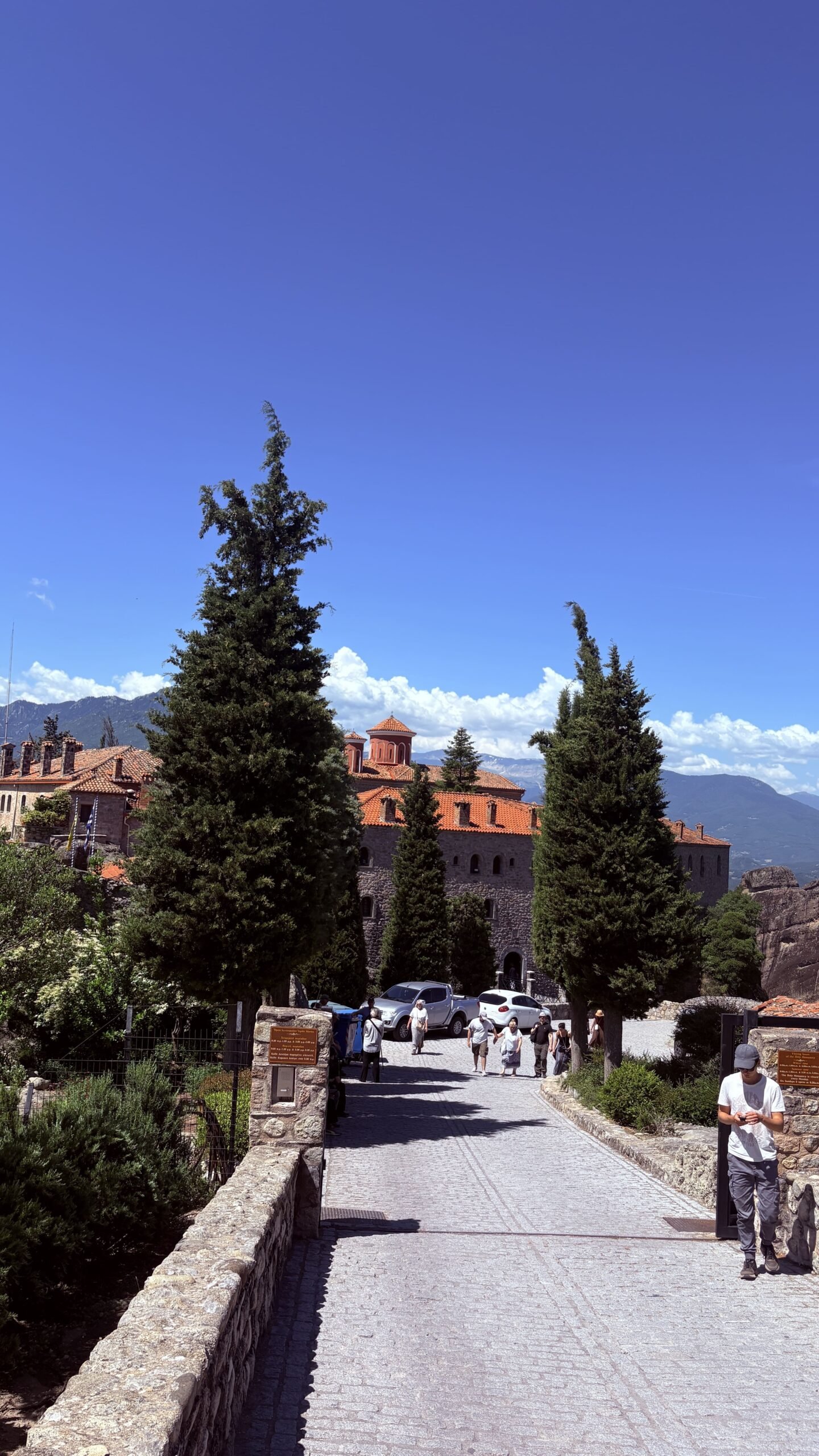
- Great Meteoron – Largest, est. 1356. Need to climb stairs but will be rewarded with spectacular views and a great museum.
- Varlaam – Second largest, great frescoes and museum.
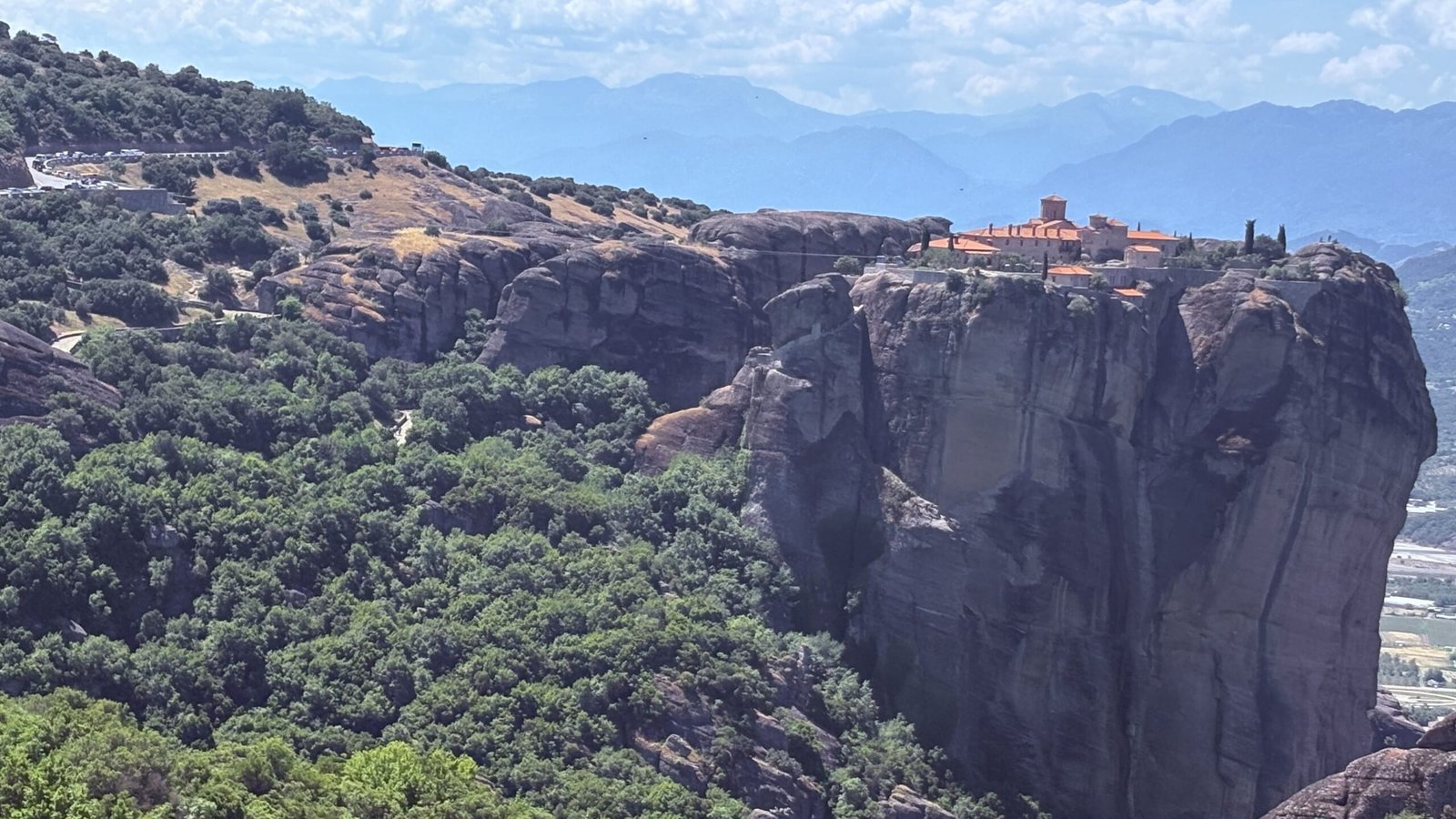
- Holy Trinity- The most dramatic location, featured in James Bond movie, For Your Eyes Only.
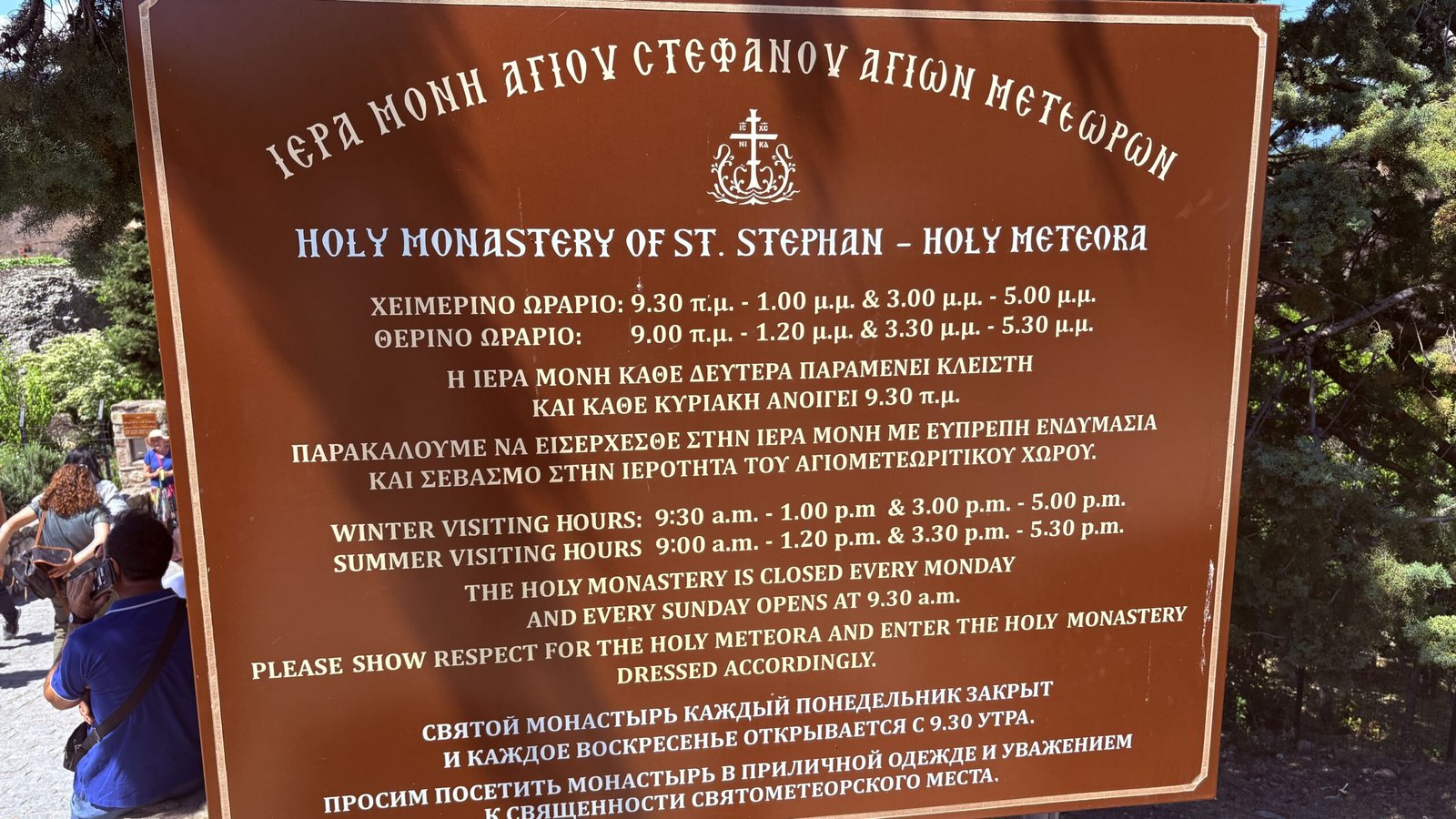
- Saint Stephen – Nunnery since 1961, easiest access, no stairs.
- Rousanou/St Barbara-Lower elevation, 2 stone bridges to reach it.
- St. Nicholas Anapausas– Smallest, frescoes by Theophanes the Cretan.
Visiting Basics:
Entry: €5 per monastery.
Dress code: Women must wear skirts + covered shoulders, men long pants. Wraps are provided at the entrance.
Hours: Most open 9:00-15:00/17:00, closed different days of the week. Check before going.
Best time: Sunrise/sunset for the light. Stay overnight in Kalabaka/Kastraki – day trips from Thessaloniki and Athens are available but you will be rushed.
What to do besides monasteries:
Hiking: 11.6km Meteora circular trail, 4-5h, moderate level as per hiking standards.
Rock climbing: World-class routes on the pillars.
Sunset/sunrise viewpoints: Psaropetra rock is popular.
Our Journey to the Floating Monasteries:
We left Thessaloniki at 7-15 am after having a quick breakfast and low expectations. “Day trip to Meteora” sounded like something you check off a list. Three-four monasteries, few mountain cliffs, some photos and back for dinner-we thought.
But we were wrong.
*09:45– The first sighting*
Luxury bus with our intelligent guide and smiling chauffeur started on time, and we were lucky that it was a beautiful sunny day. So we sat back and started enjoying the enchanting scenic views of Greek countryside.
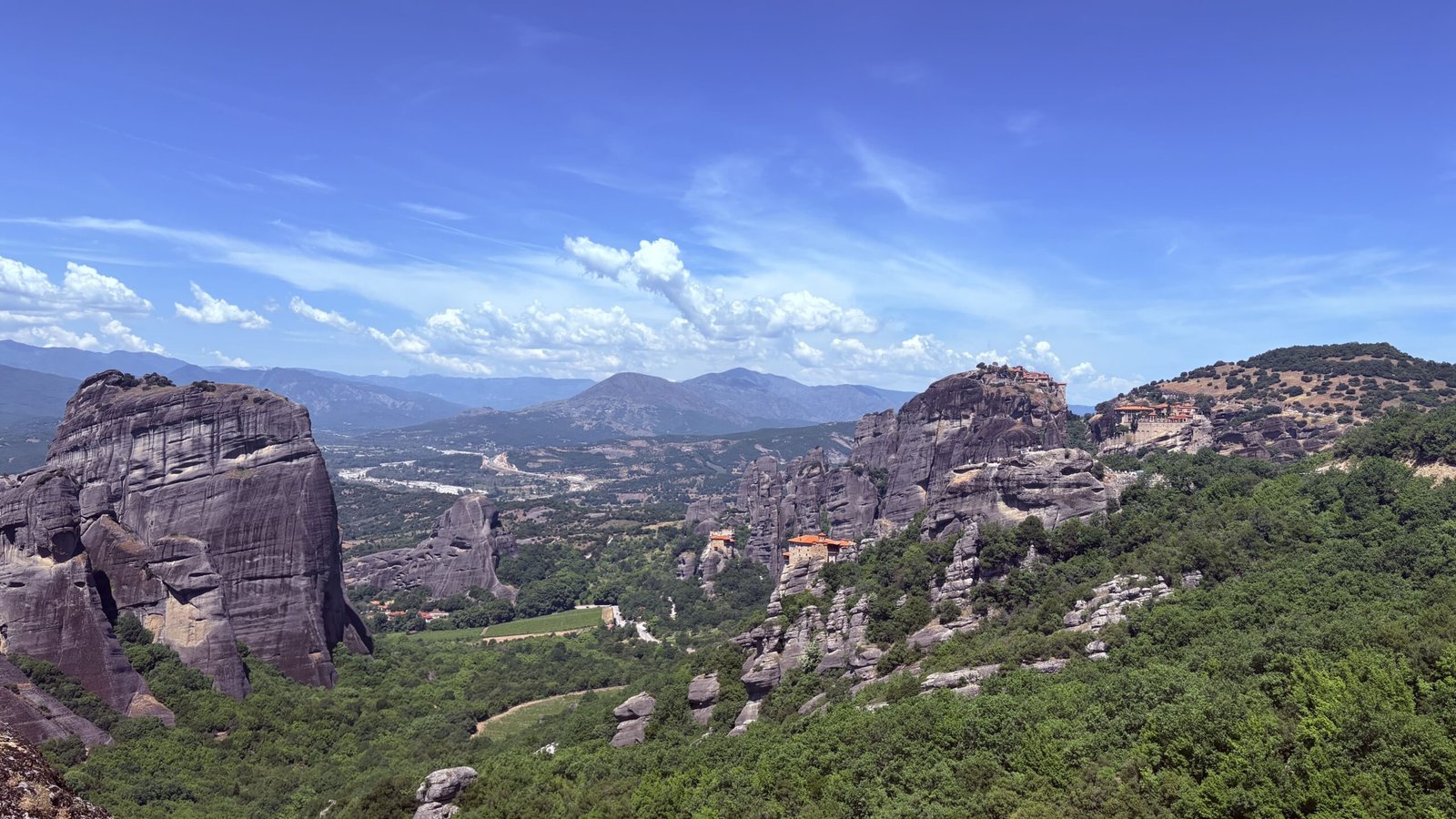
The plains of Macedonia just… end. And then they’re there. Not just mountains. Giant sandstone pillars, straight up, clustered like something a child would draw-stunning monasteries stay nestled upon steep cliffs, offering a breath taking spectacle. Here we are at the monasteries of Meteora, perched among the monolithic pillars of the Pindos Mountains.
My brain lagged for a second. As we parked at Great Meteoron, we realized the day wasn’t going to be about checking boxes.
*10:15 – Great Meteoron, 300 steps later*
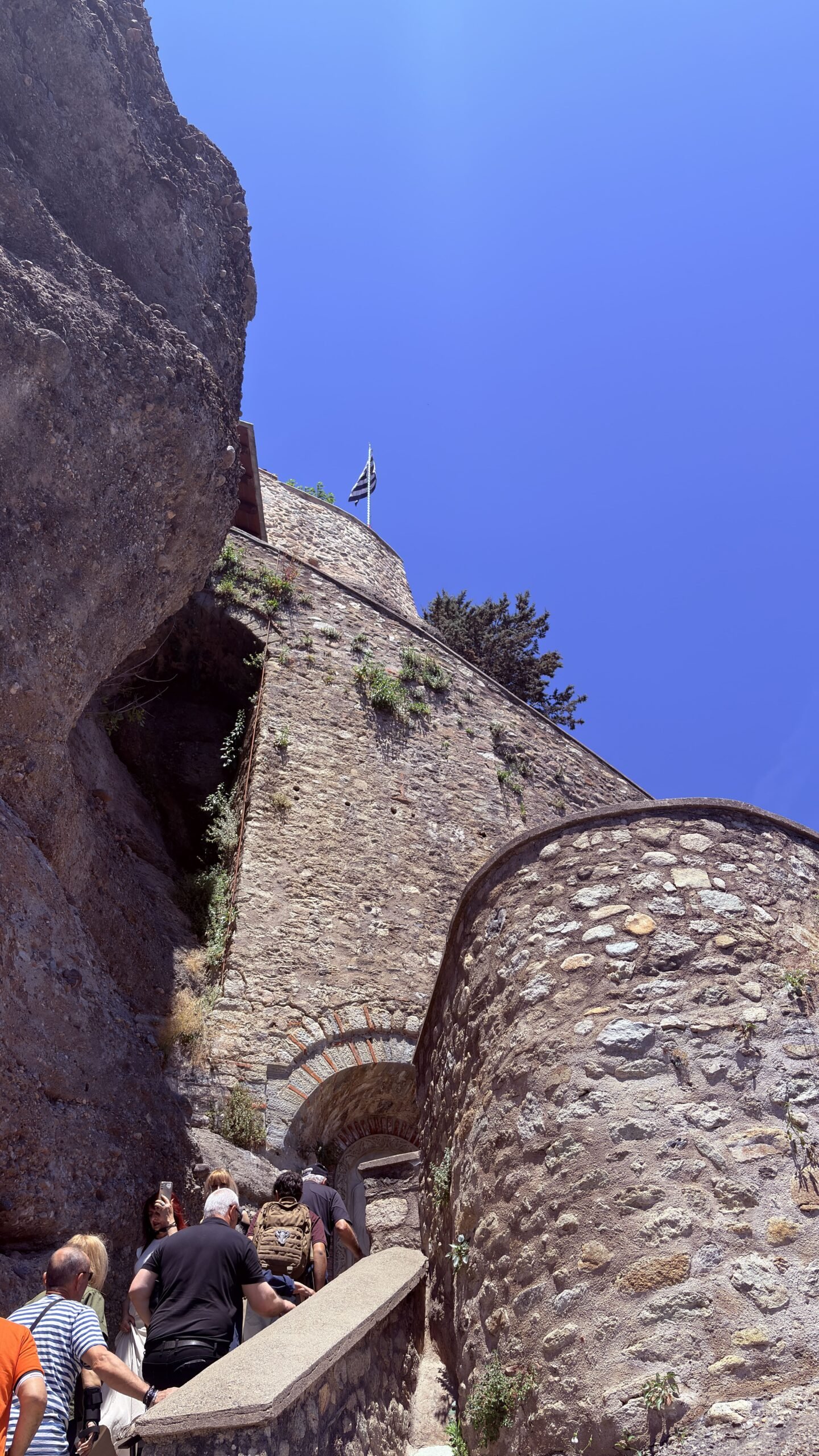
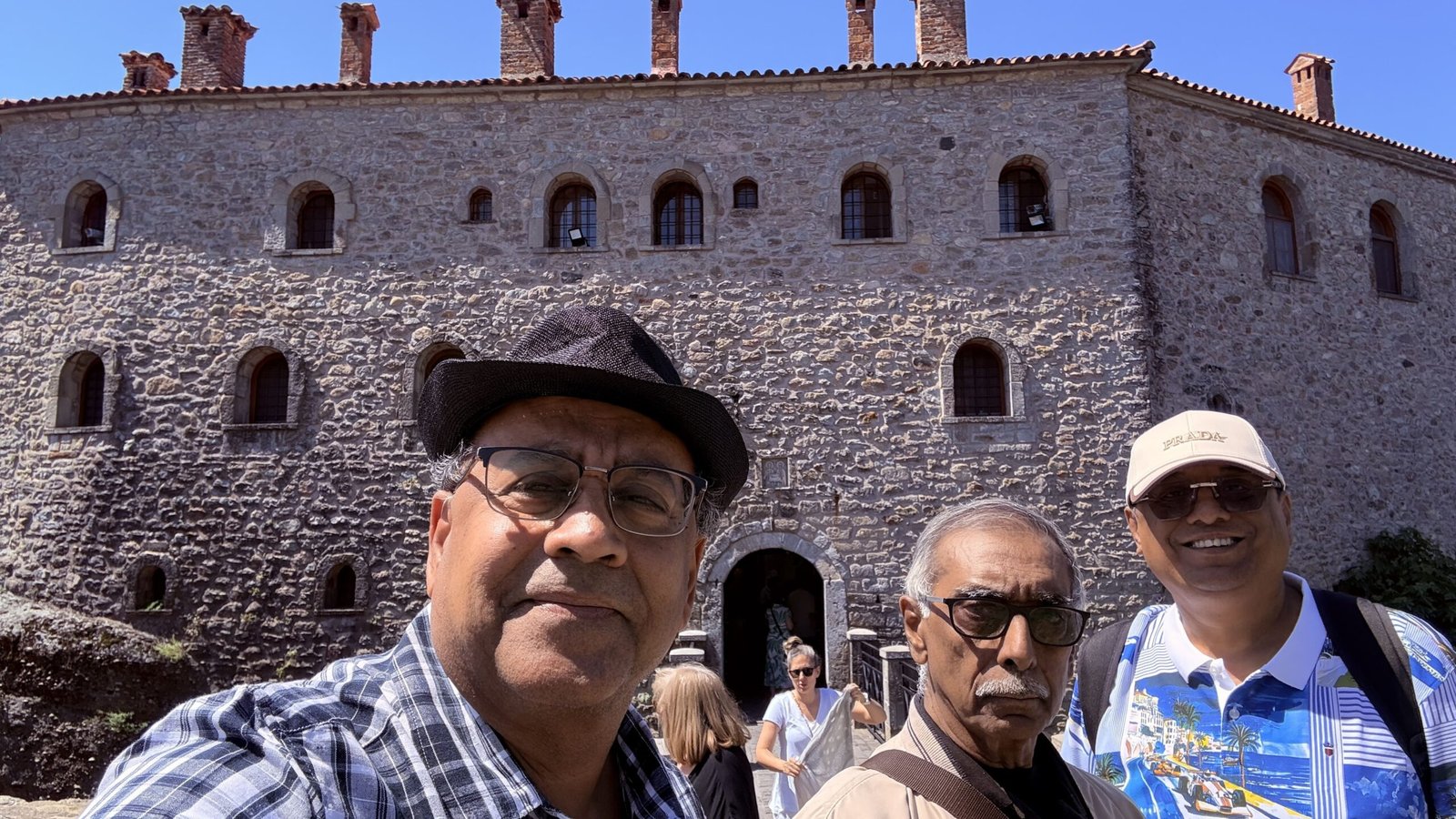
We earned this one. Stopped multiple times but reached the top at the end. The steps are polished by 700 years of feet. Inside it’s cold, silent, and smells like beeswax and stone. The frescoes are violent and beautiful – saints, martyrs, every inch of wall telling a story. Out on the balcony, the Thessalian plain drops away to nothing. And in the old kitchen sits a 12,000-liter wine barrel. I kept thinking: they pulled this up by rope. In 1356. Because they had to.
*11:15 – Varlaam*
Shorter drive, 195 steps. This is where they keep the original net. The actual rope-and-wicker basket they’d hoist people up in, dangling over a 300m drop. There’s a sign with a monk’s quote: “The net is only changed when the Lord lets it break.” I looked down, then back at the net. My legs said no.
*12:15 – Holy Trinity*
This is the Bond monastery. “For Your Eyes Only”, the 1981 movie starring Roger Moore as James Bond was shot here. 140 steps carved straight into the rock, no handrails for the first stretch. It’s tiny. Isolated.
We did not venture to this monastery, however, this is the kind of place you build when you’re serious about not being found. Guide told us that from the terrace one can see every other monastery perched on its own pillar.
*12:30 – St. Stephen’s, the kind one*
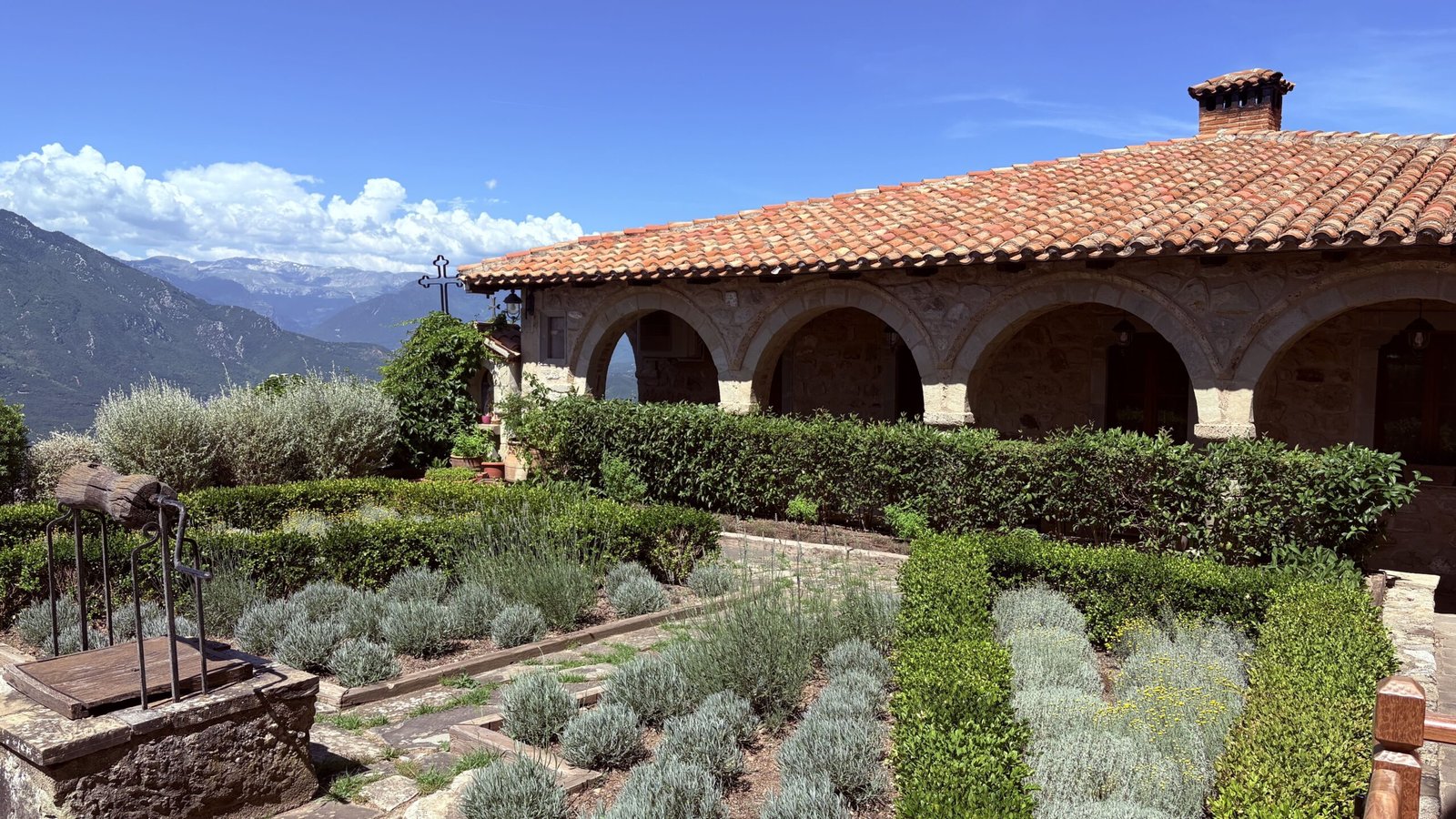
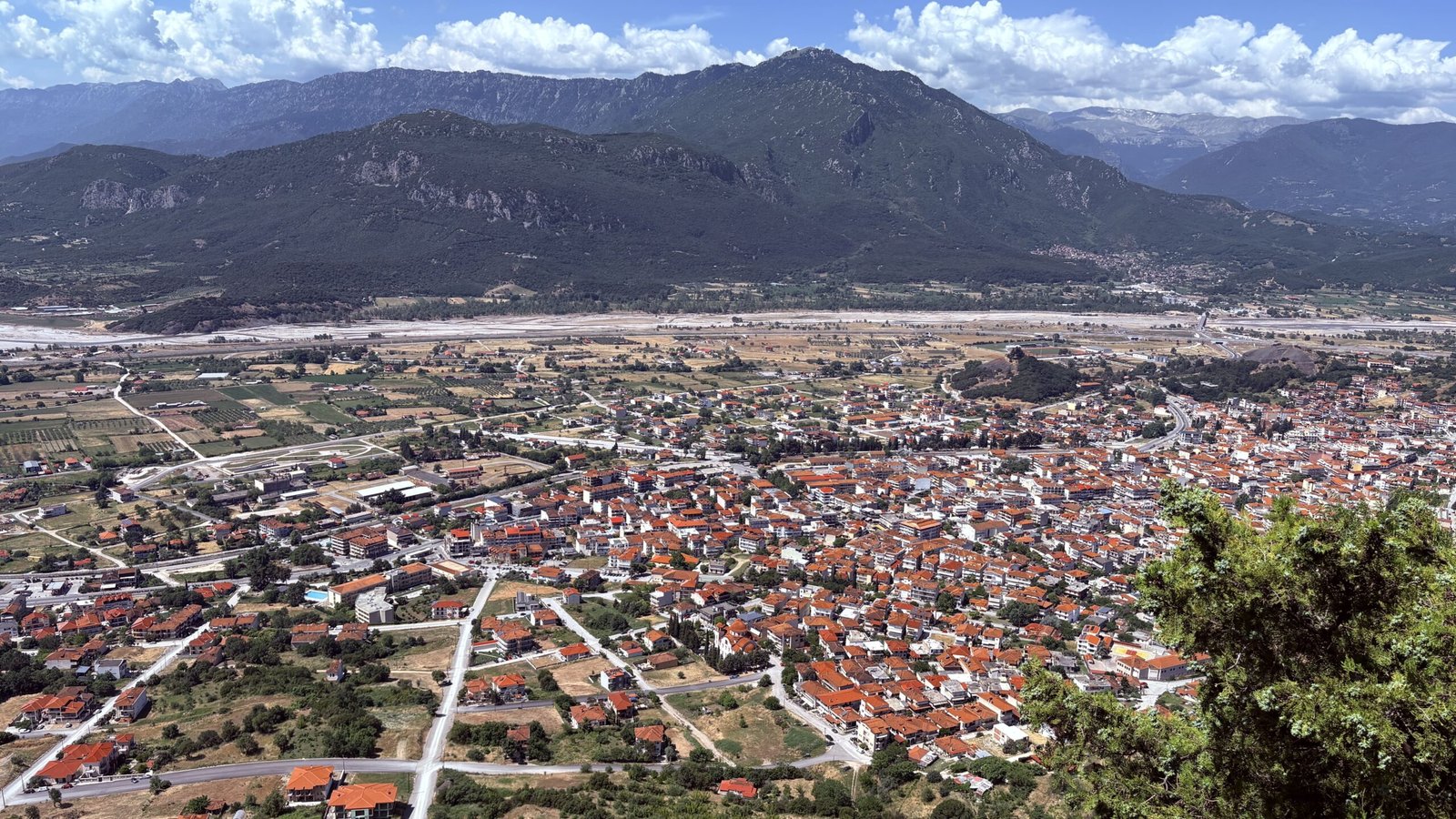
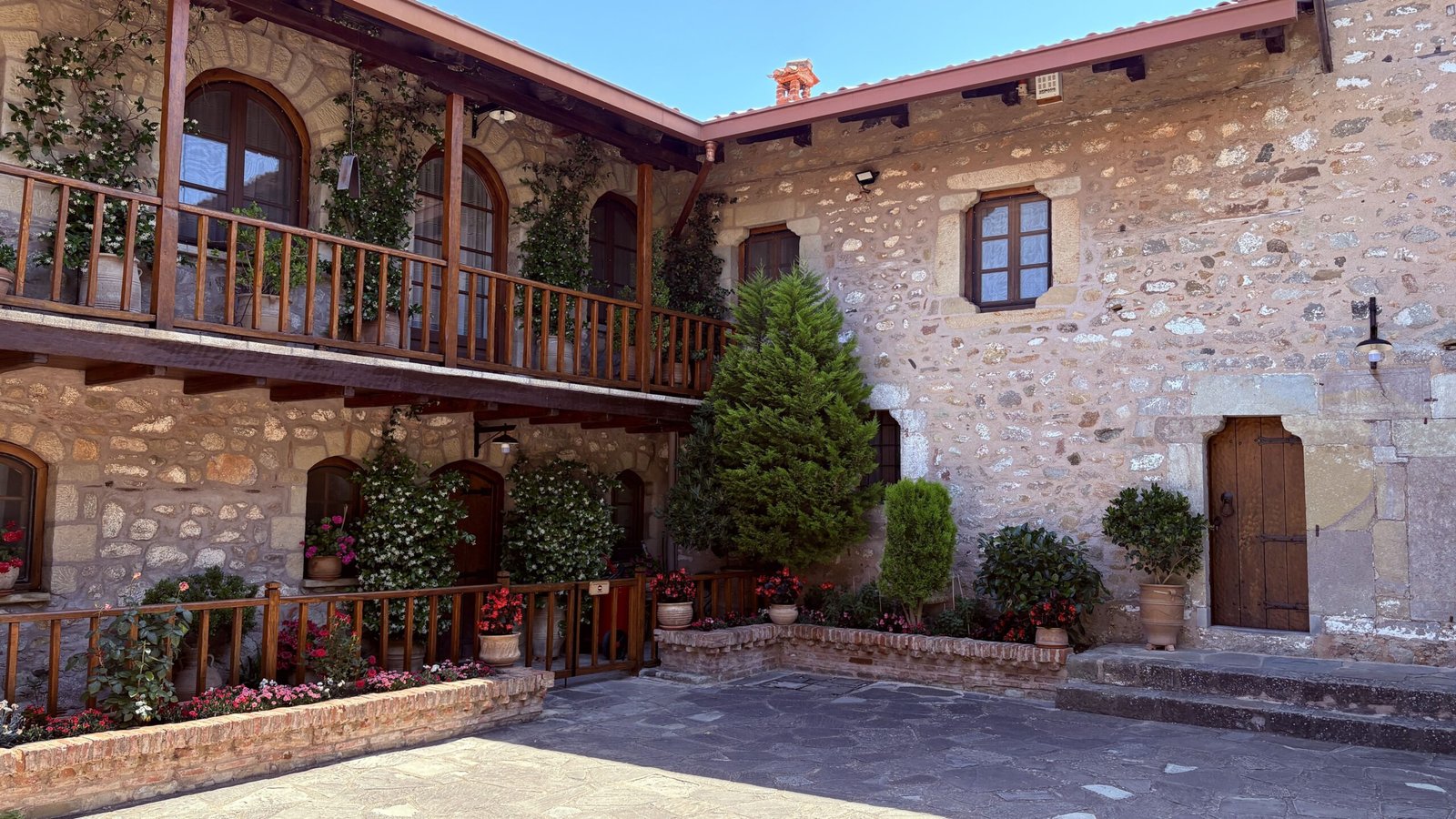
Thank God for a bridge. This is a nunnery now – flowers, cats, quiet courtyards. No brutal climb, but the same gut-drop view. Kalabaka looks like a toy town below. A nun was sweeping the same stones they’ve swept since the 1400s. It was the only thing that felt normal.
*1:15 – The viewpoint detour*
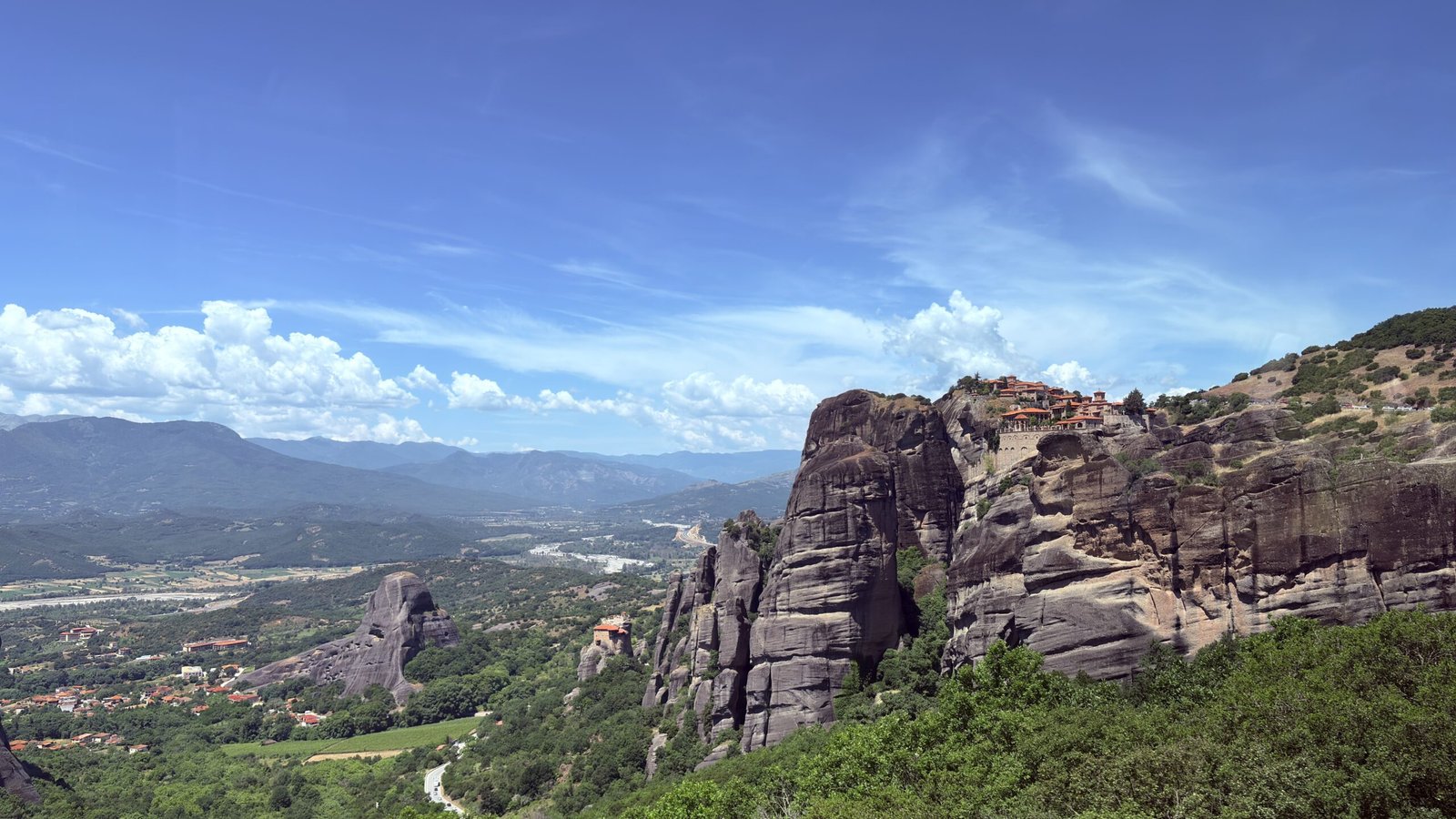
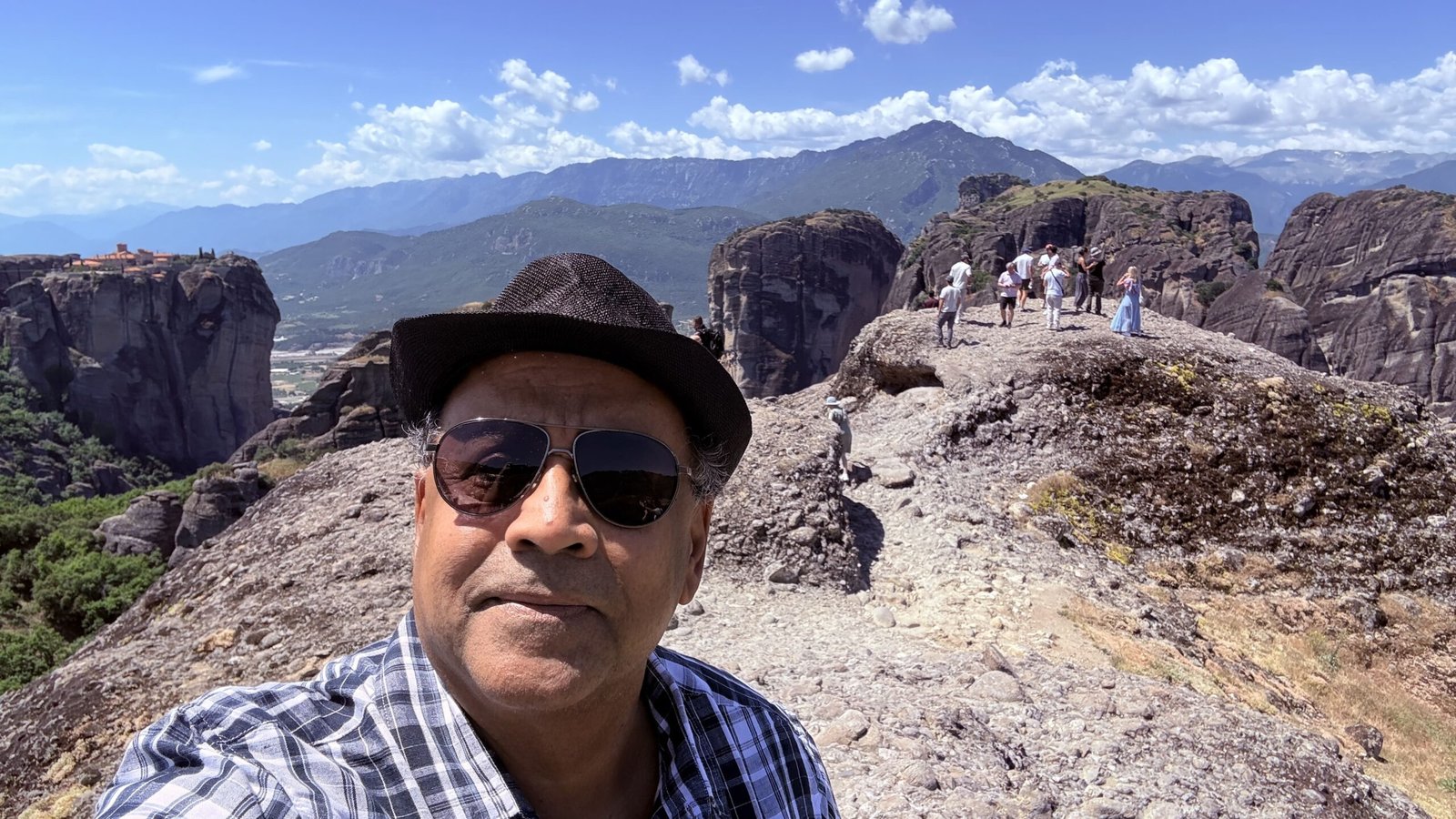
We just drove and reach Psaropetra point which gives you the money shot: all six monasteries in one frame. We found here lots of tour buses, many tourists crowding at the vantage points to take selfies and pics of the spectacular and surreal surroundings- the mountains, the cliffs and the monasteries.
*2-30 – Lunch in Kastraki*
We descended into the village that lives under the rocks. At Taverna Gardenia, the cliff overhangs your table. Lamb kleftiko, cold beer, and a view that makes conversation feel rude. For 45 minutes we just sat there, necks craned up. The rock is close enough to touch. It feels like it is breathing.
*16:00 – The drive down*
Spiraling back to sea level messes with your head. The pillars stay in the rear view for a long time. Kalabaka disappears. The impossible shrinks to a postcard and then it’s gone.
*18:30 – Back in Thessaloniki*
460 km long journey, hundreds of steps, thousand years of history and geological wonders truly drained us out- we hit the shower and strolled down to the sea side promenade to enjoy a cool dinner.
To conclude:
Here’s what a day trip to Meteora actually is: It’s realizing “impossible” is a lazy word. It’s standing where 14th-century monks chose vertical exile over surrender, and they won. It’s understanding why UNESCO listed it for geology and culture – because the rocks started it, but humans finished it.
Stay overnight if you can. But if you’ve only got a day, go anyway. Leave at 7am. Wear real shoes. Order the lamb for lunch.
And prepare to rethink everything you know about faith, engineering, and what people can do when retreat is not an option.
10 thoughts on “Marvellous Meteora –Northern Greece’s most famous wonder”
দারুন, অসাধারণ ও অবিশ্বাস্য।
দেখলাম তোর চোখ দিয়ে, কোনদিনও যাওয়া হবে না তাই।
খুব ভাল লাগল।
Thank you Shubhendu for your encouraging feedback.Loved it that you enjoyed the blog.
Nicely penned down. Liked the way you described the place. Excellent !!
Thank you so much. We missed you in the trip
Sounds like quite a spiritual place — as if suspended between Earth and sky.
On anothee cool related matter, etymologically Meteora—which translates to “suspended in the air”— came from the same Greek origin the English word “meteor” (উল্কা in বাংলা) came from.
Thank you so much Himadri for your thoughtful review and feedback. You got time to read it during your busy schedule is enough for me.
I’m a big fan of your blog! As always, it’s full of interesting and inspiring information.
I’ve never been to Greece, especially Meteora in northern Greece, but it’s definitely on my bucket list. Your blog has certainly moved it much closer to the top of that list!
Thanks for sharing such wonderful travel experiences!
Thank you dera Purnadeep for your wonderful feedback. Wish we could have travelled together as in USA.
Wew…!!! What an experience…. it’s really thrilling, specially the way you described.
Breathtaking views ( the hanging rocks n pillars).
Beautiful pics.
Thanks Sharmila for your nice feedback.Your comments always inspire me.